Imprimatura
Imprimatura is an Italian term that we use in English as well to refer to the first layer of paint in an oil painting. You likely recognize prima as a core element of the word. Prima is also present in English words like primary to refer the first element in a sequence or most important element.
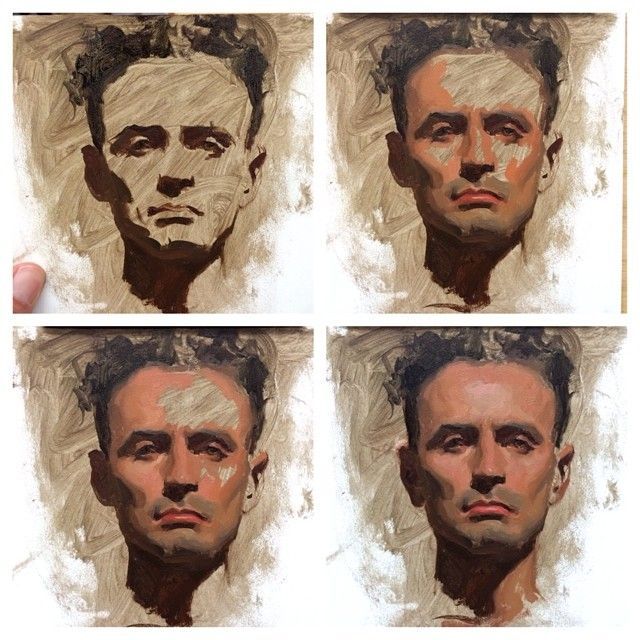
The imprimatura is generally painted with a darker earth tone paint. Earth tones are the fastest drying of the pigments and a darker one, like raw umber or burnt umber, allows for a greater value range. Since the imprimatura is the first layer, it is important that it be lean or not have much oil (fat) in it. Lean layers, those without much oil, dry faster and a cardinal rule of oil painting is that the lower layers be less oily than the top layers in order for the paint to adhere properly, be stable, and not crack in the future.
For the imprimatura layer, the paint is applied in a thinly over a white ground (gesso). Generally thinned with solvent to allow for it to be easily wiped away. Wiping away allows for facile changes and it also allows
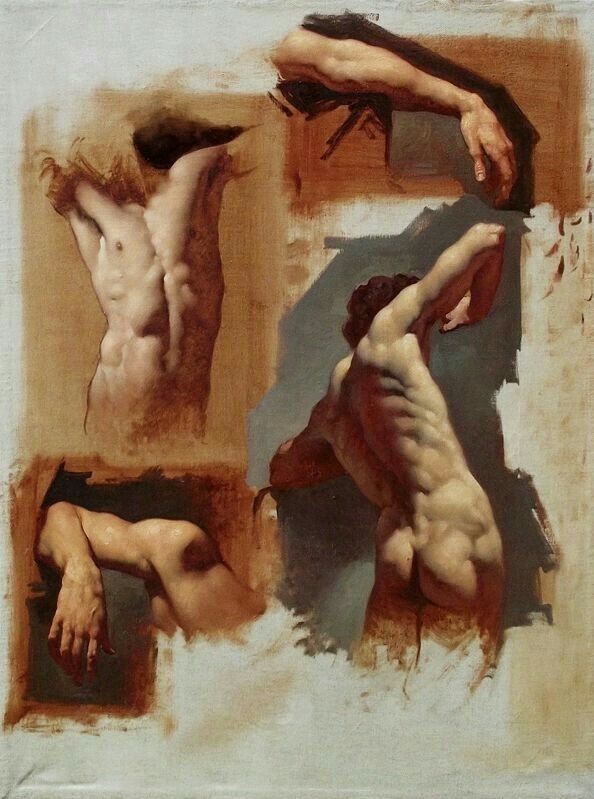
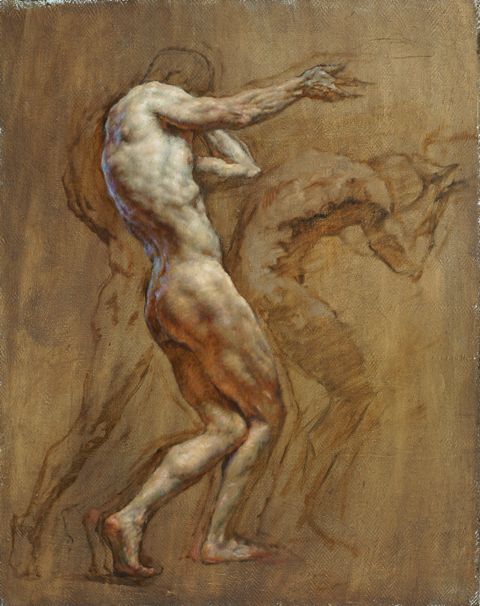
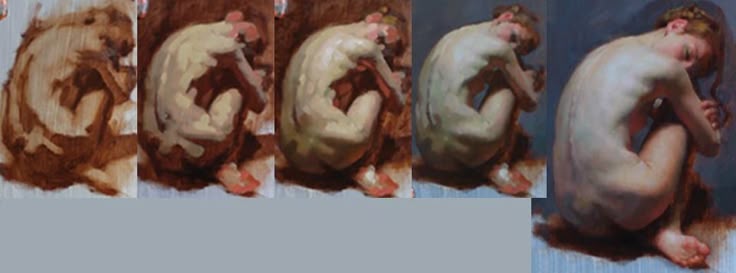
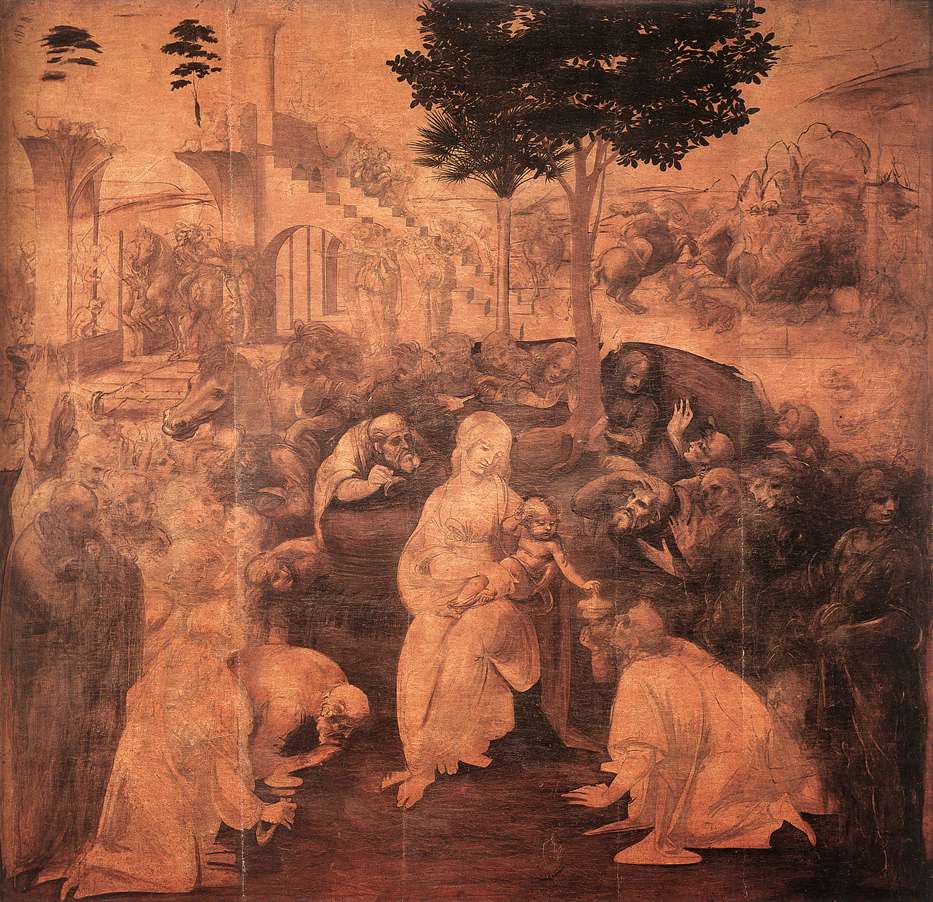
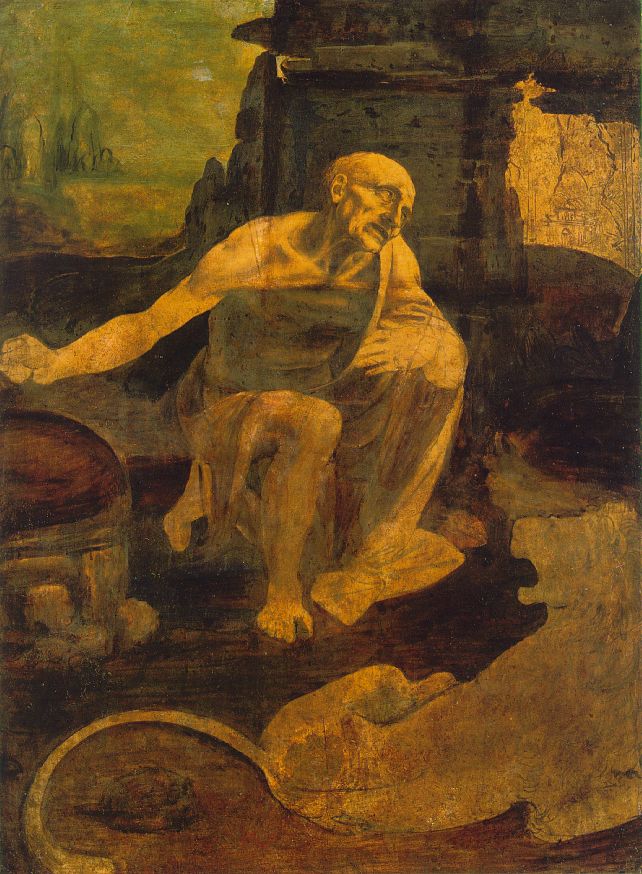
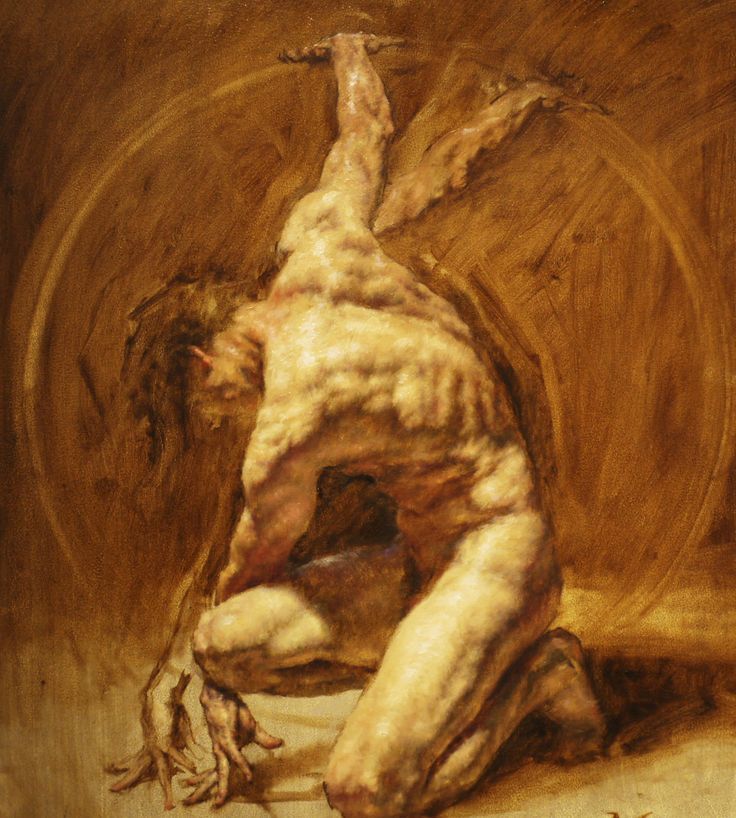
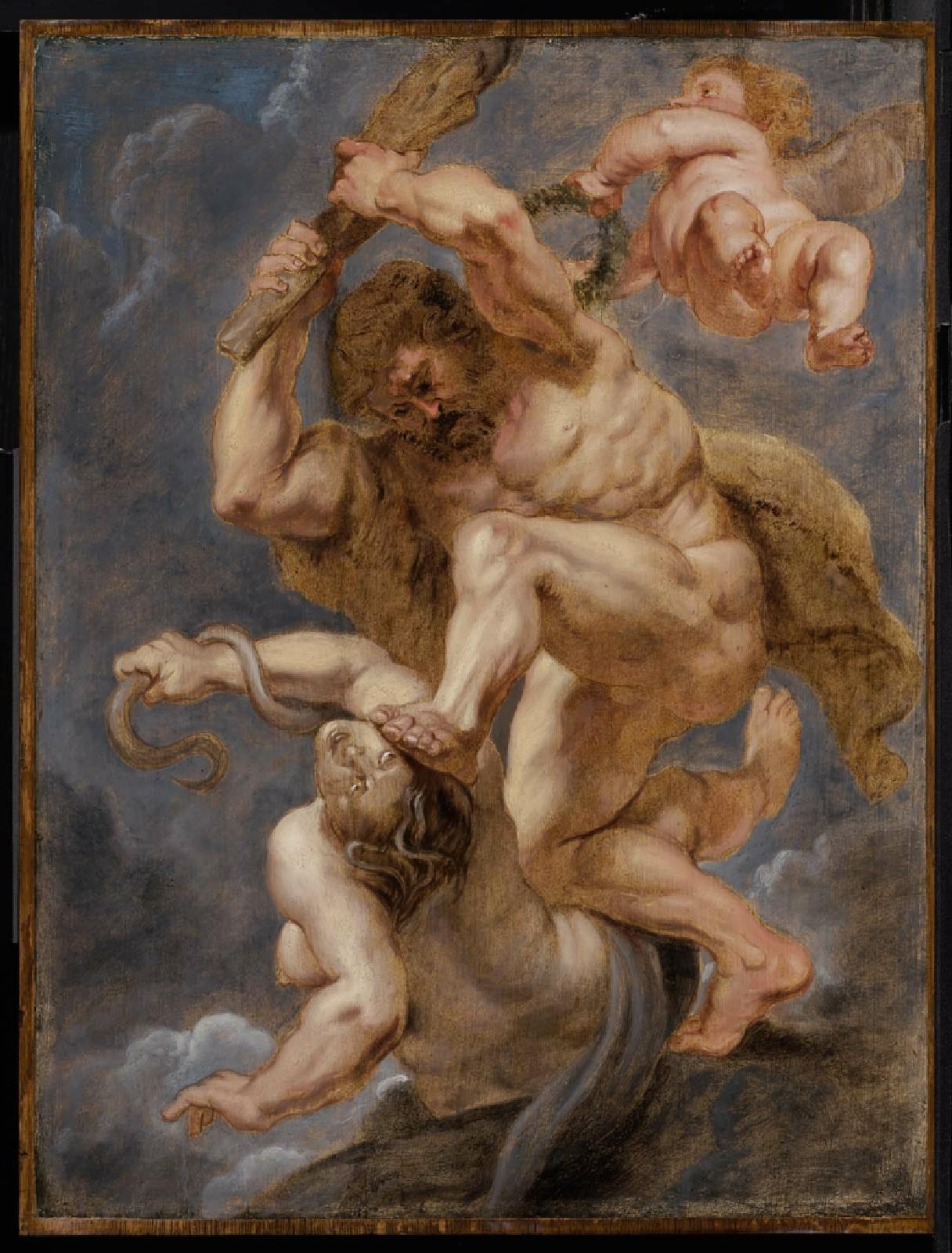
Artists such as Leonardo and Rubens used this method. It was the default beginning method for oil painting on panel and on canvas starting in the Renaissance when oil came into common use. Below are several unfinished or incomplete paintings where one can see the imprimatura layer. The imprimatura layer was easily edited and it allows the artist to adjust the composition and get the general lights and darks worked out before advancing to the next layers of paint. In most cases, the majority of the imprimatura would be painted over. After the imprimatura dried and the artist was satisfied with it, he would often apply another layer on top with black, white, and grays called a grisaille.
A note about the use of transparent versus opaque paint. Some pigments are opaque such as cadmium red and some are more transparents such as alizarin crimson. Artists traditionally have used more transparent layers in the shadow areas or areas the painter wants to recede. Light enters the transparent layers and gets a bit trapped, it does not bounce back to the viewers eye so directly as when using opaque paint. Controlling the use of transparent and opaque layers can allow a painter to achieve greater depth and more life-like results.