Grisaille
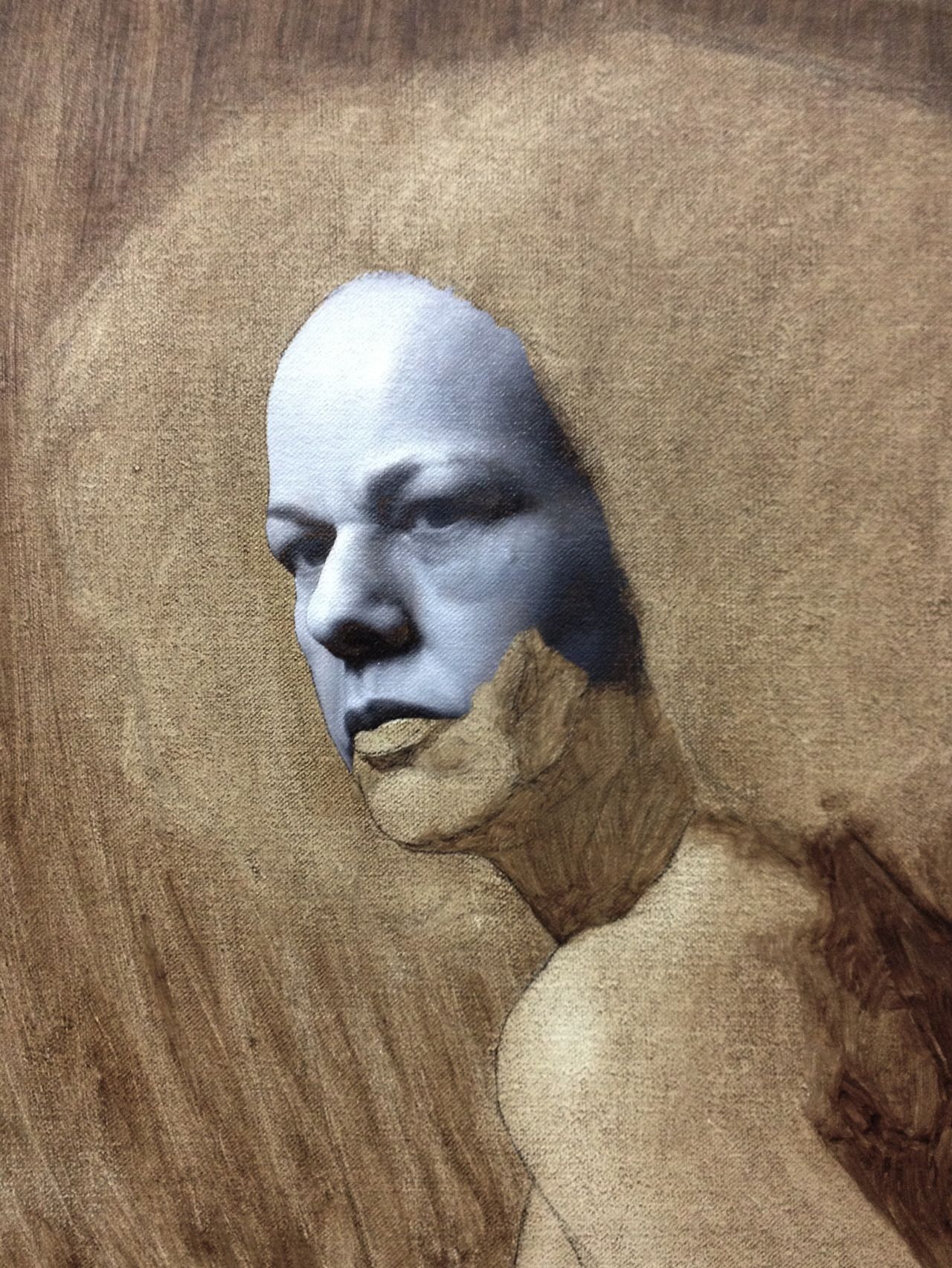
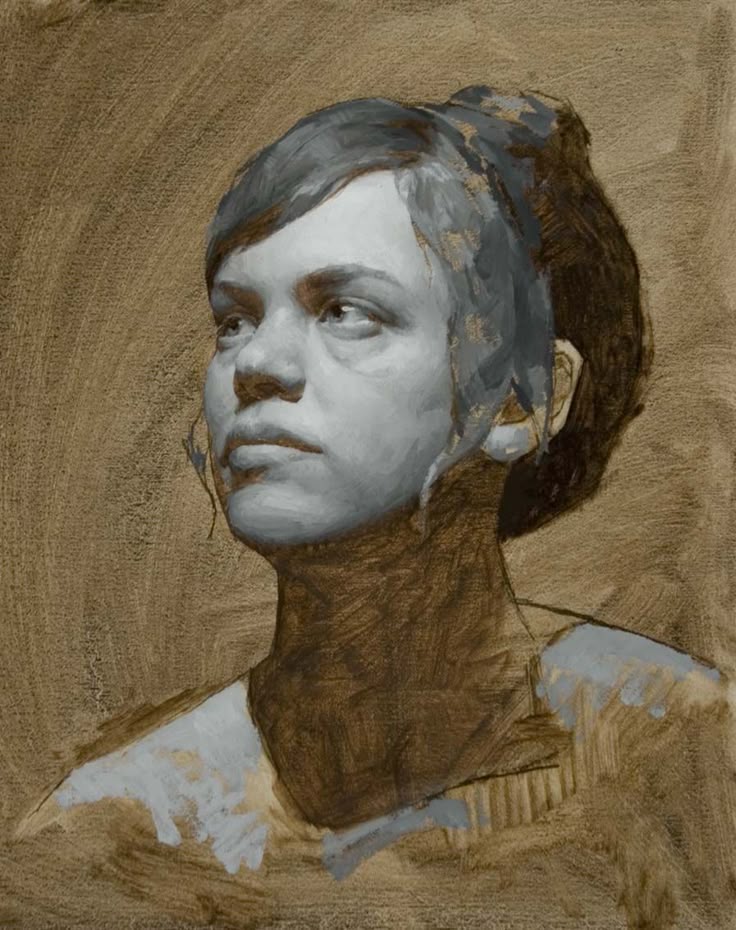
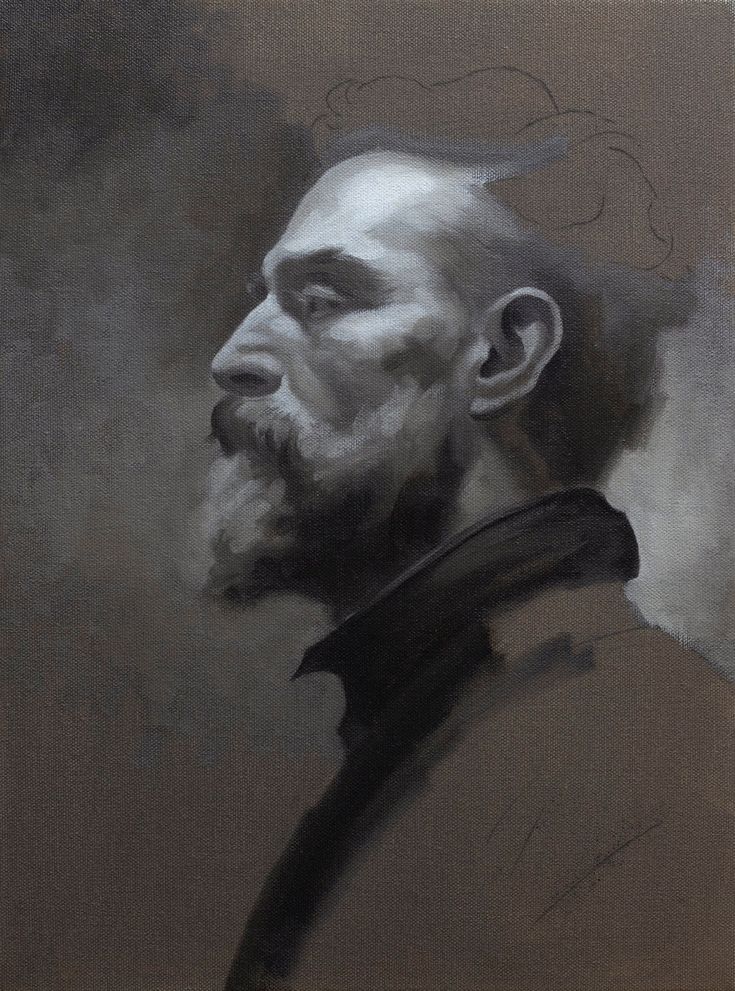
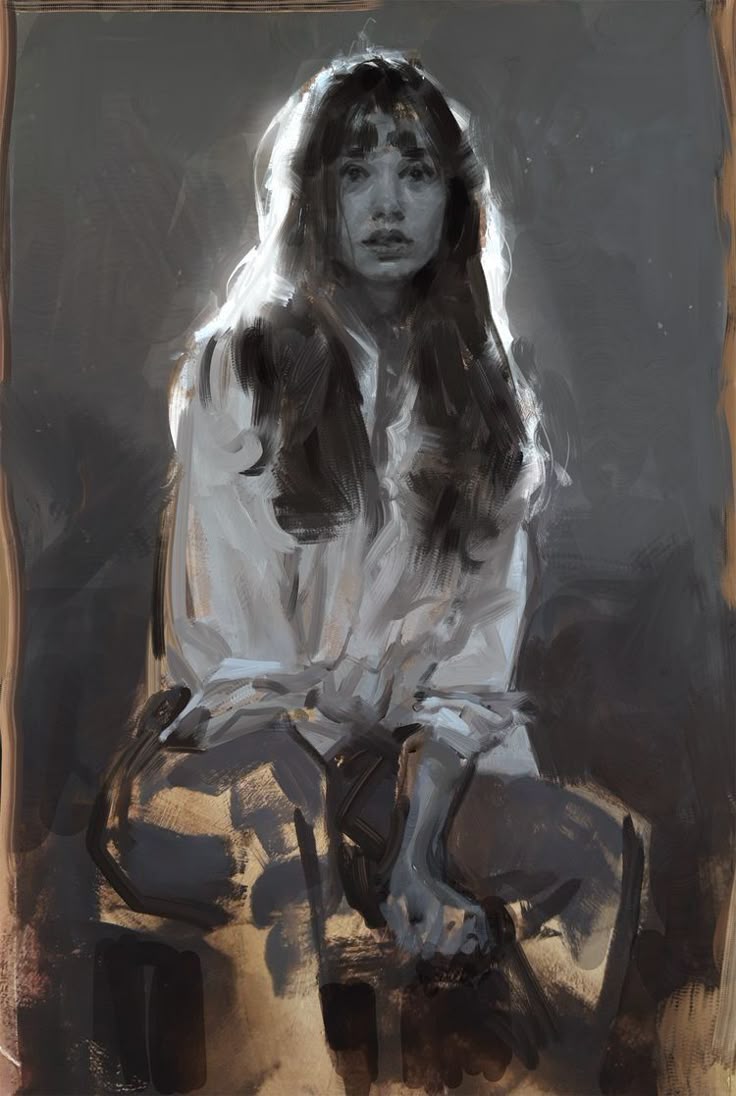
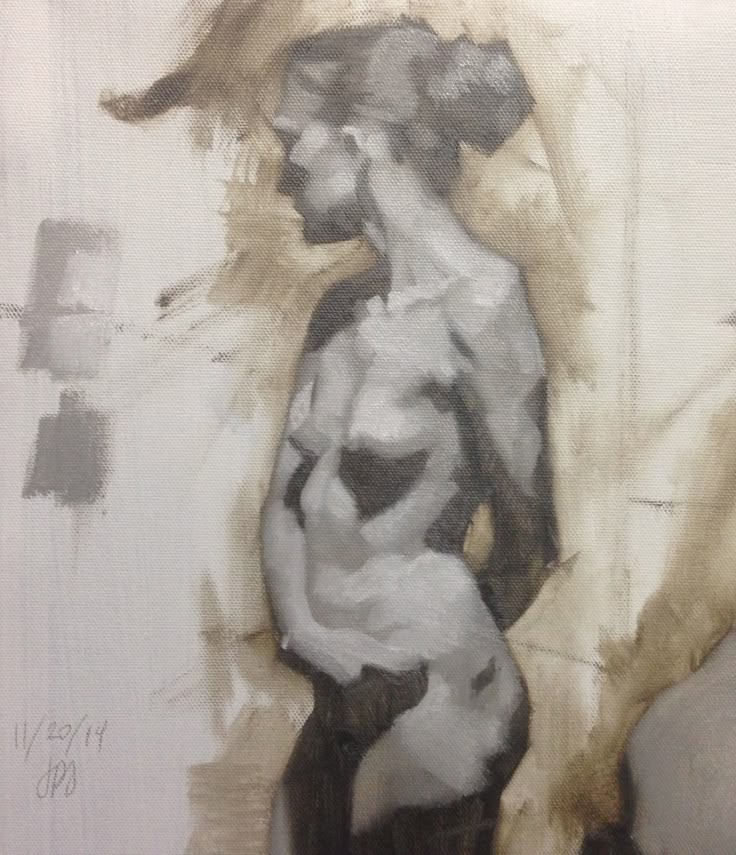
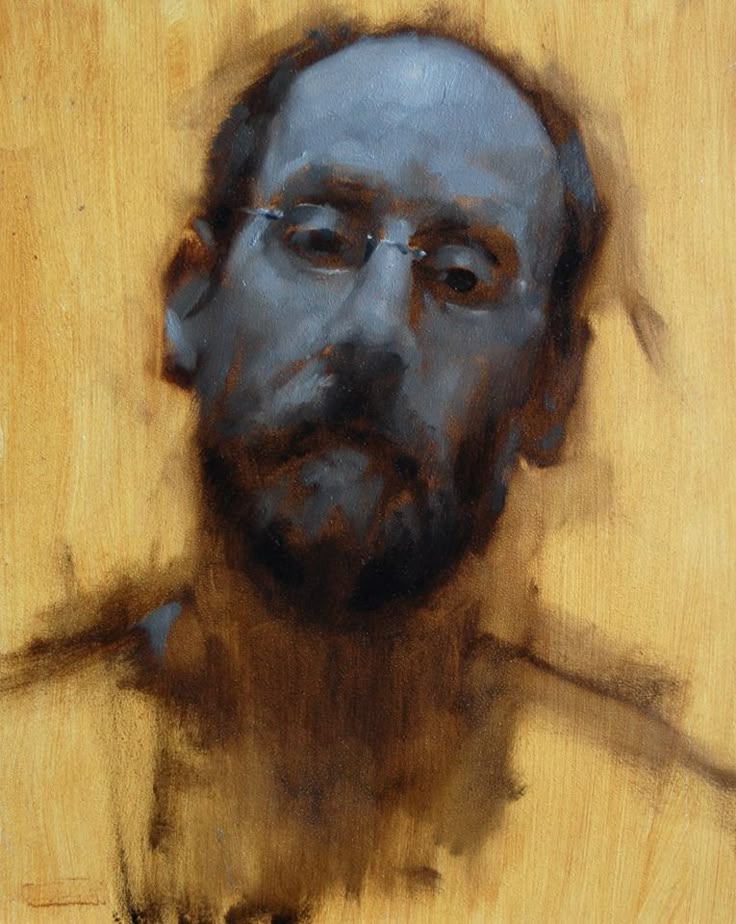
is the term for a painting done in grays. The term grisaille is a French. Gris means gray in French. Grisaille paintings are sometimes seen as a finished painting as in the work by Andrea del Sarto below. Grisaille was frequently used in church decorations, generally in frescoes, made during the Italian Renaissance. Sometimes grisaille is used as a method of studying a subject and working out a better understanding of the light, darks, and the overall form, and sometimes it is used as an underpainting with color laid on top of the grisaille layer later.
Also notice the image at the top of this page shows Michelangelo's Sistine Chapel Ceiling with the Libyan sybil in orange. To the left and right of her are two grisaille paintings of pairs of nude figures. These are further examples of how grisaille was used to decorate churches and chapels during the Italian Renaissance.
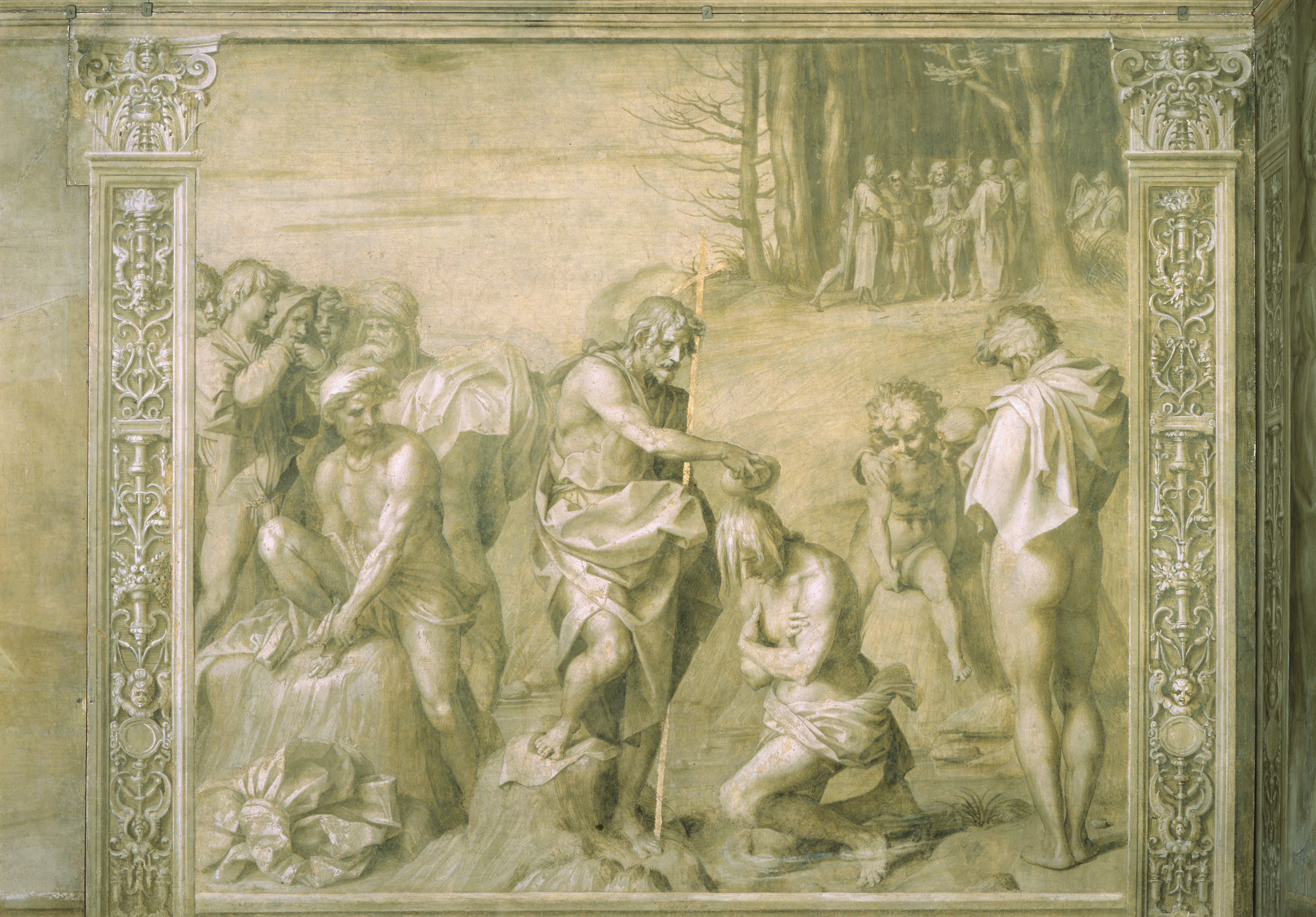
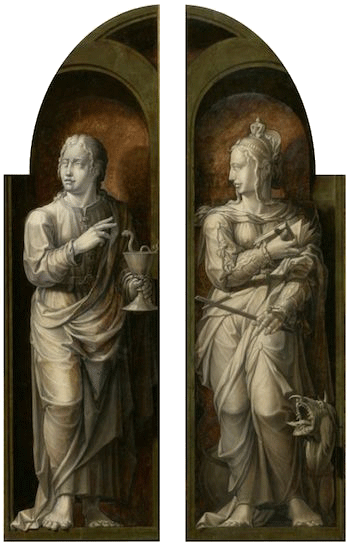
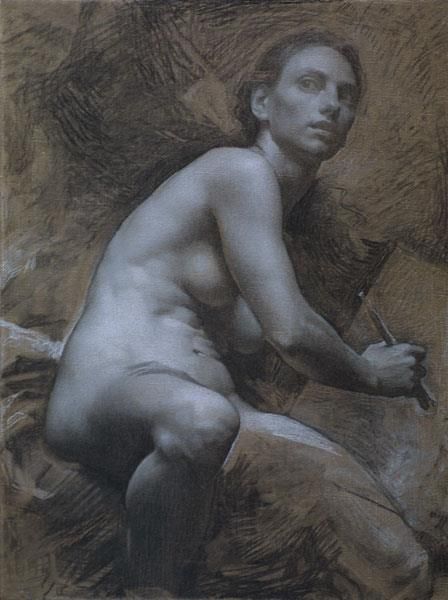
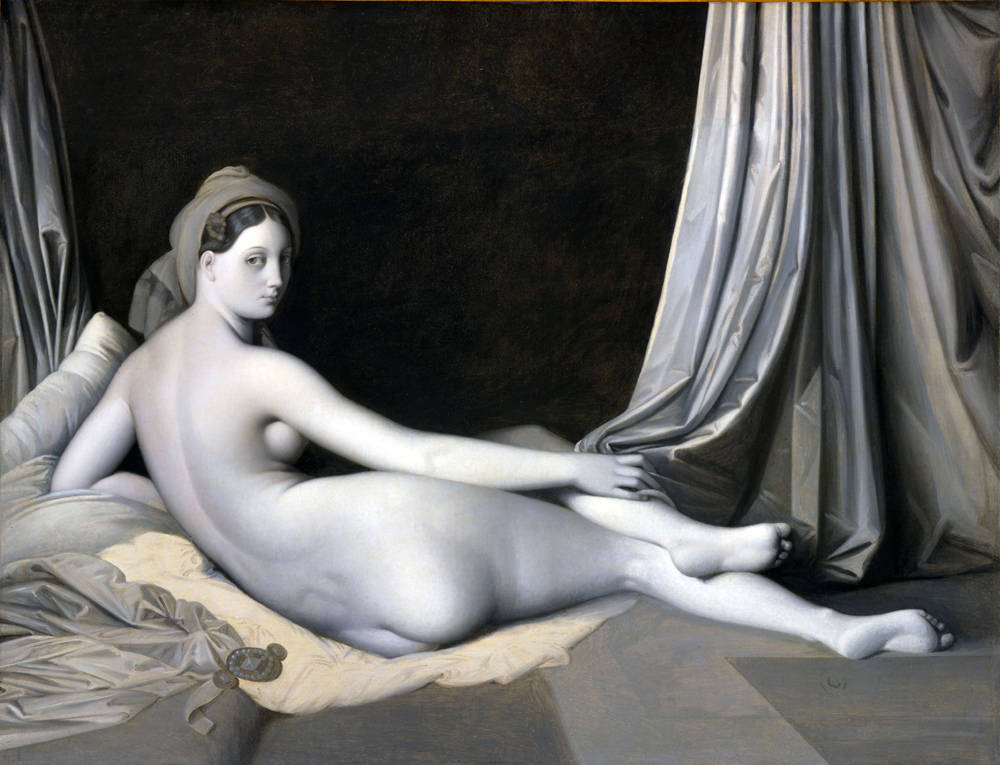
The grisaille painting below is by the 19th century French artist J.A.D. Ingre. It is smaller than his version titled the Grande Odalisque located in the Louvre.
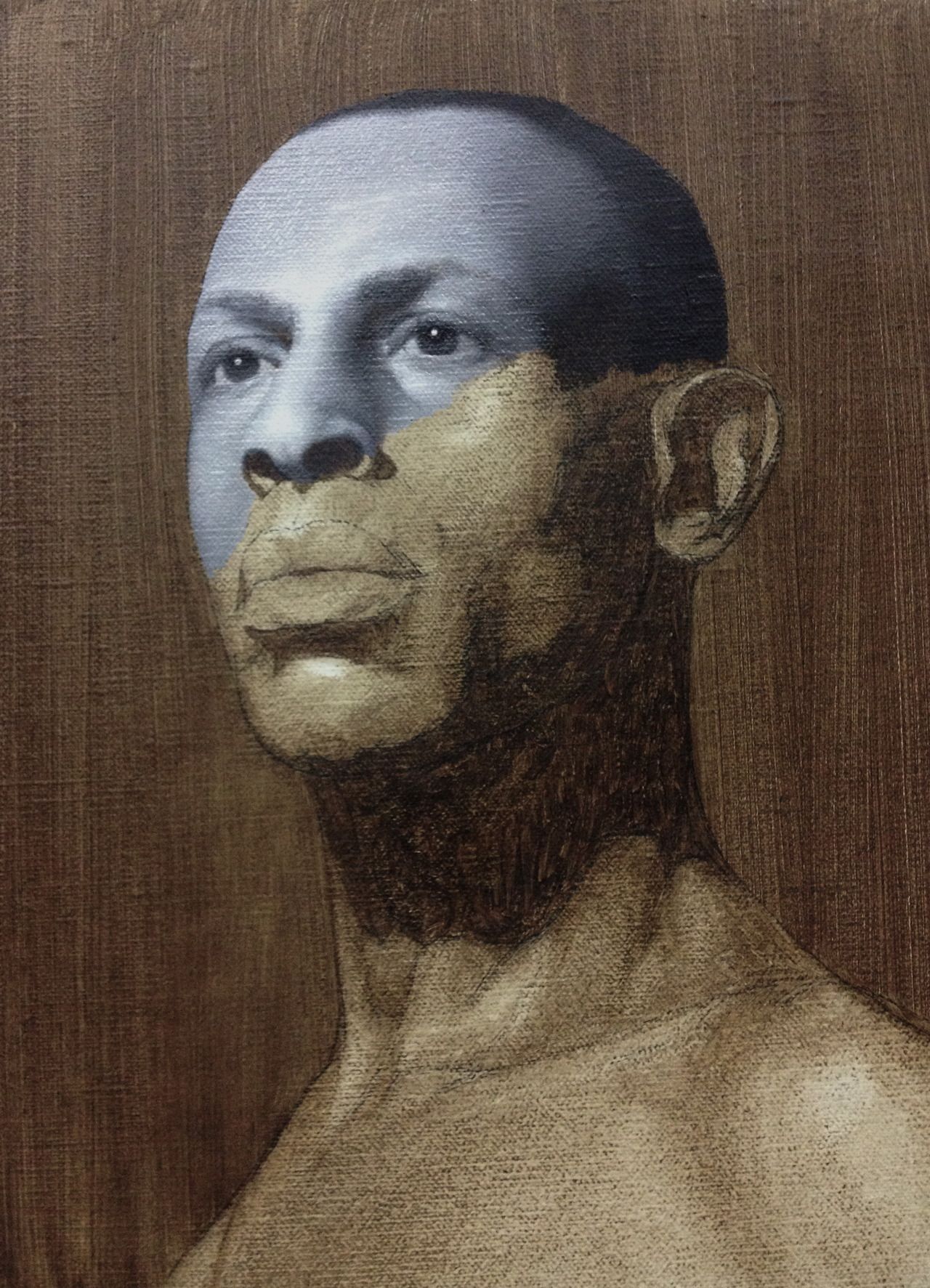
In the painting in progress above, it is likely that after the grisaille is dry, layers of color, called glazes, will be applied over the grisaille layer. One benefit of painting in this way is that it can give the painting greater luminosity and depth as light penetrates the translucent layers of paint. Additionally, it helps the artist by first letting them concentrate on getting the values correct in grays and then later they can apply colors that match the gray values. It can make the decisions on which color value to use easier for the painter.
Verdaille and Brunaille
Monochromatic paintings of this type were not limited to grays. Other versions of grisaille exist using a single color. The two most commons are verdaille, done using green, and brunaille, done using brown.
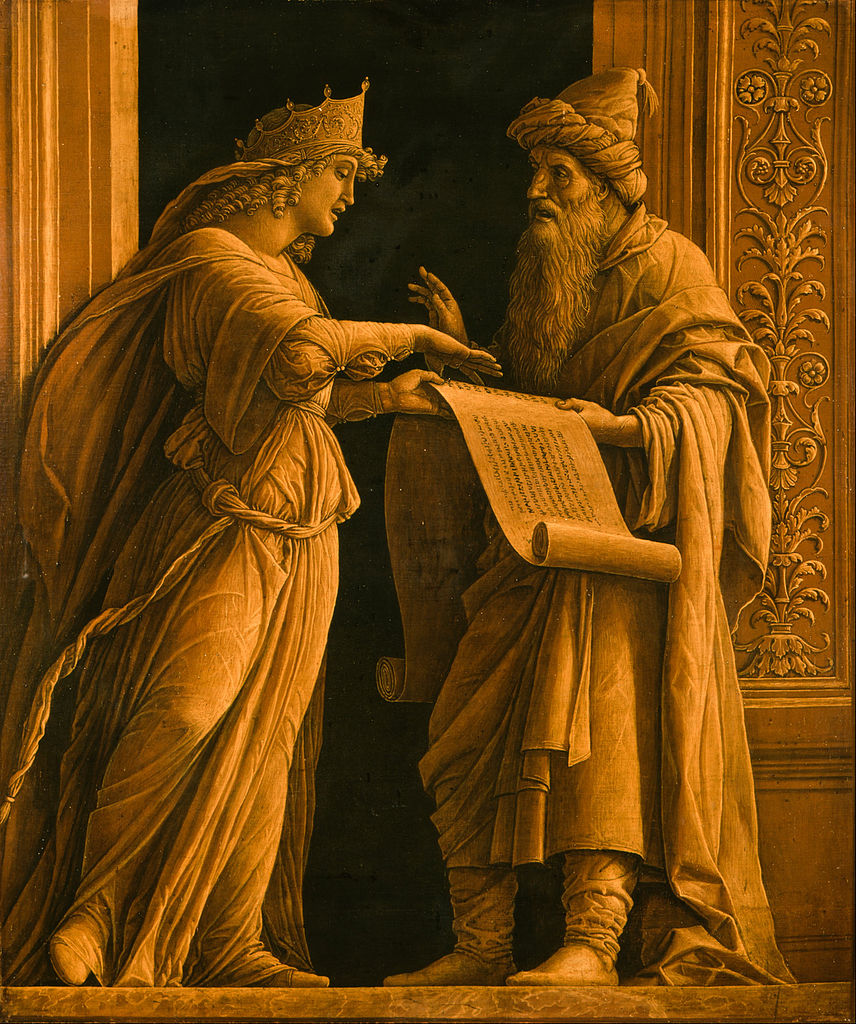
Verdaille is the French term for a painting done in greens and the Italian term is verdaccio. The artist Cuong Nguyen uses the verdaille (verdaccio) as an underpainting for portraits and believes it give him better results. His description can be found at realismtoday.com.
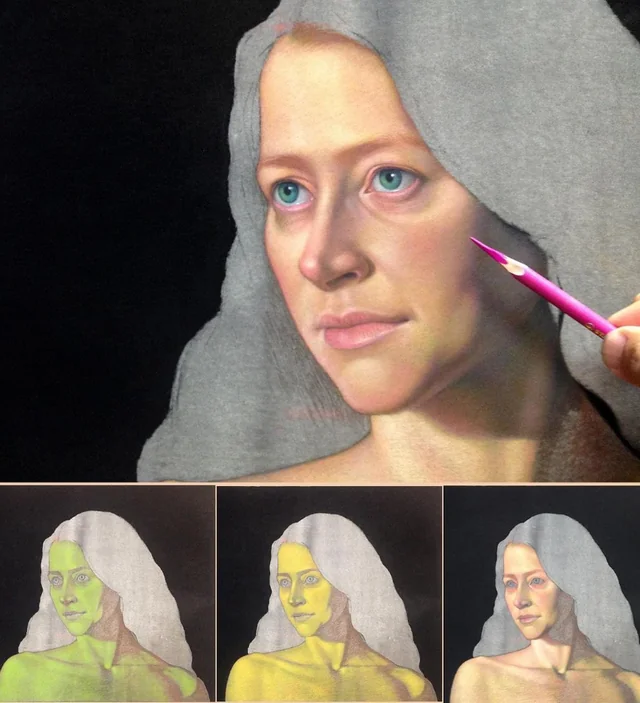
An argument for the verdaille technique for portraits is that the human skin is translucent, and oil paint is translucent, and oil often becomes more translucent with time. Using an underpainting of green, a verdaille, then following it with thin layers of color, called glazes, is said to yield a paint surface that is translucent and luminous like human skin. Green seems to mimic reality better than just grays.
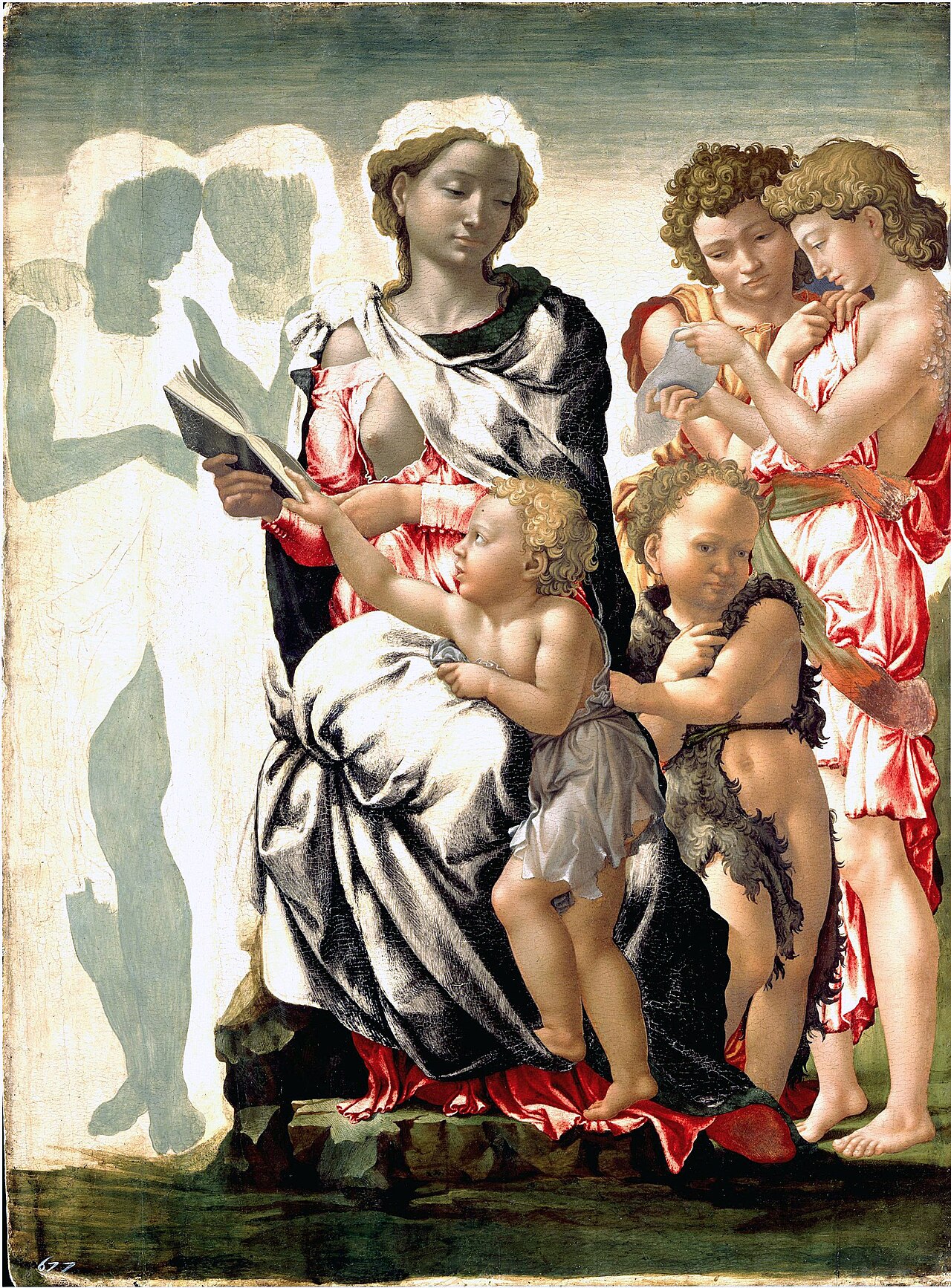
Below is an example of a the use of verdialle/verdaccio in this unfinished work attributed to Michelangelo. Notice the figures on the left have a base of a green color.
More Examples of Grisaille
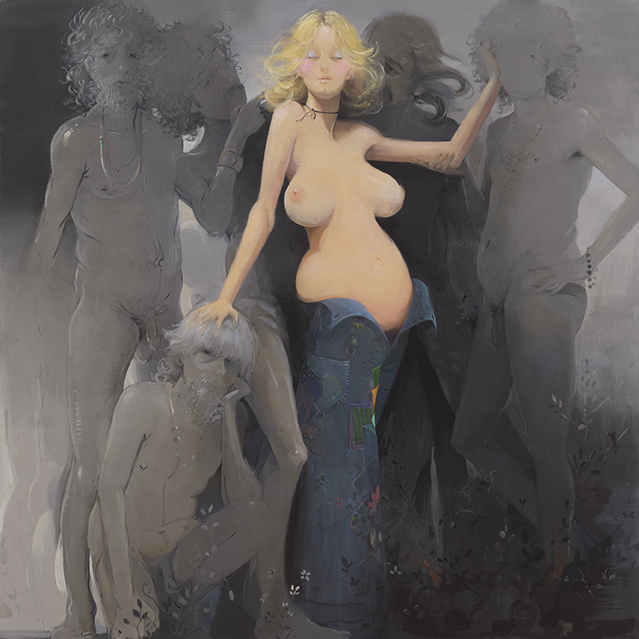
A contemporary use of grisaille by Lisa Yuskavage can be seen below.