Preparatory Drawings for a Painting
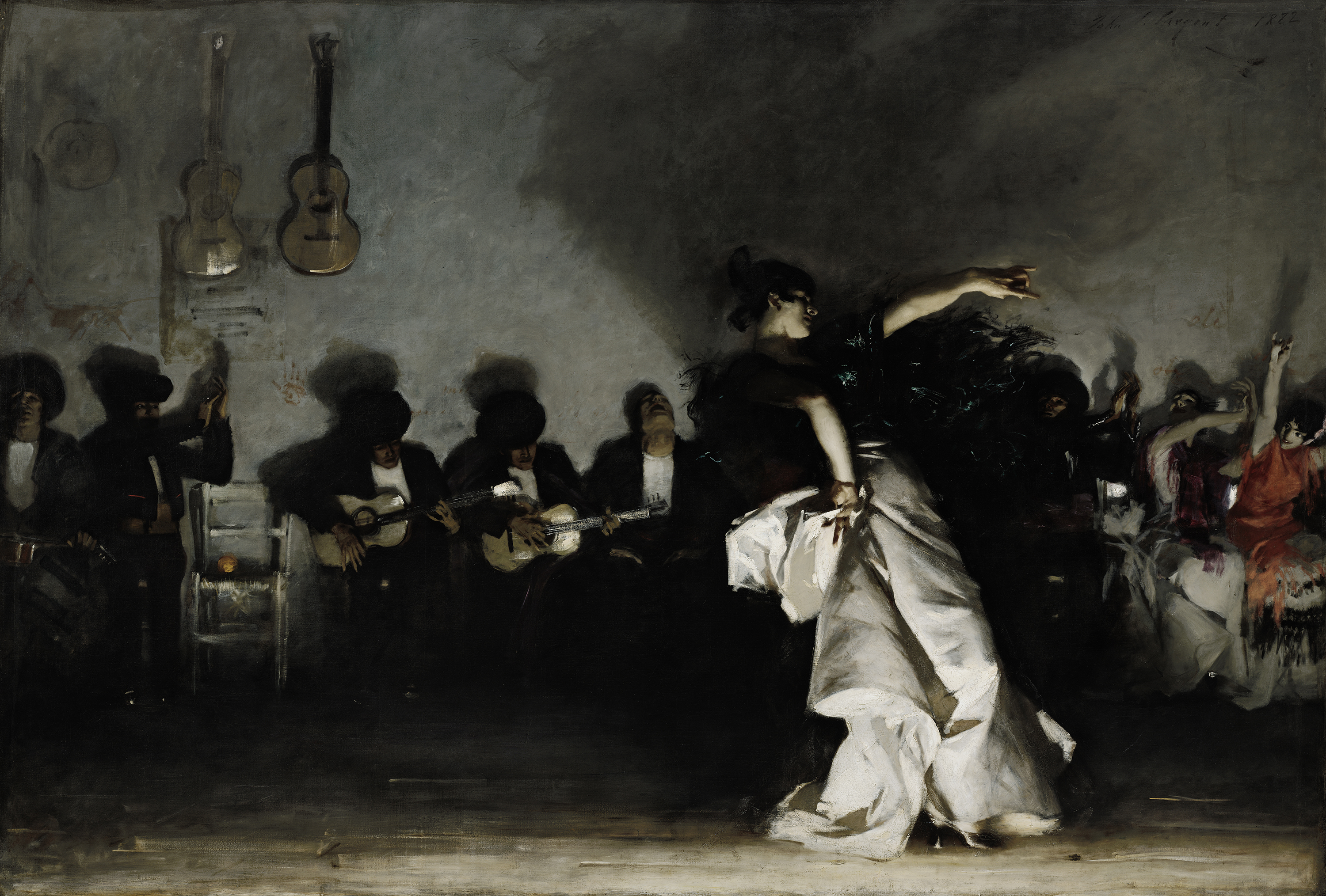
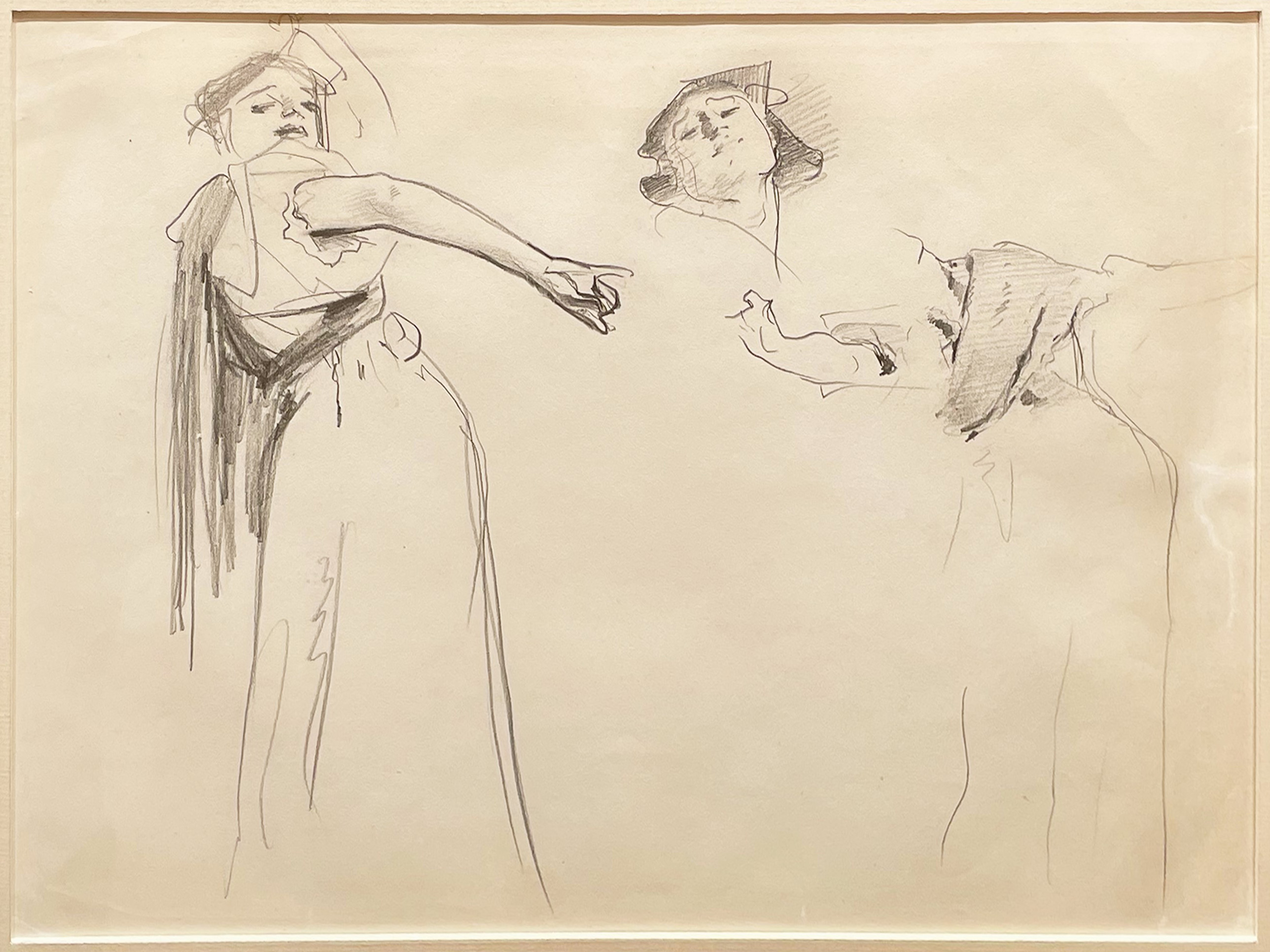
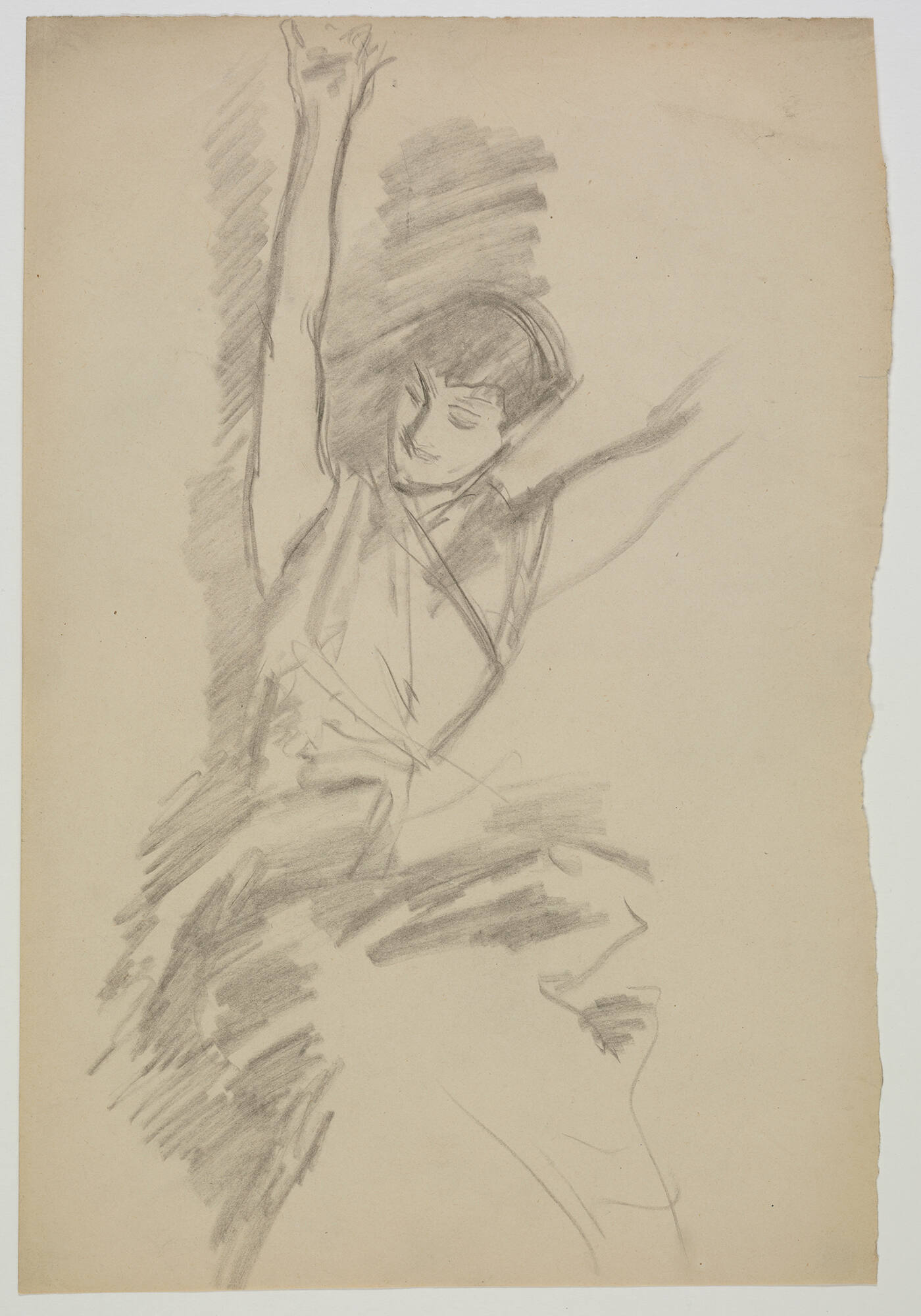
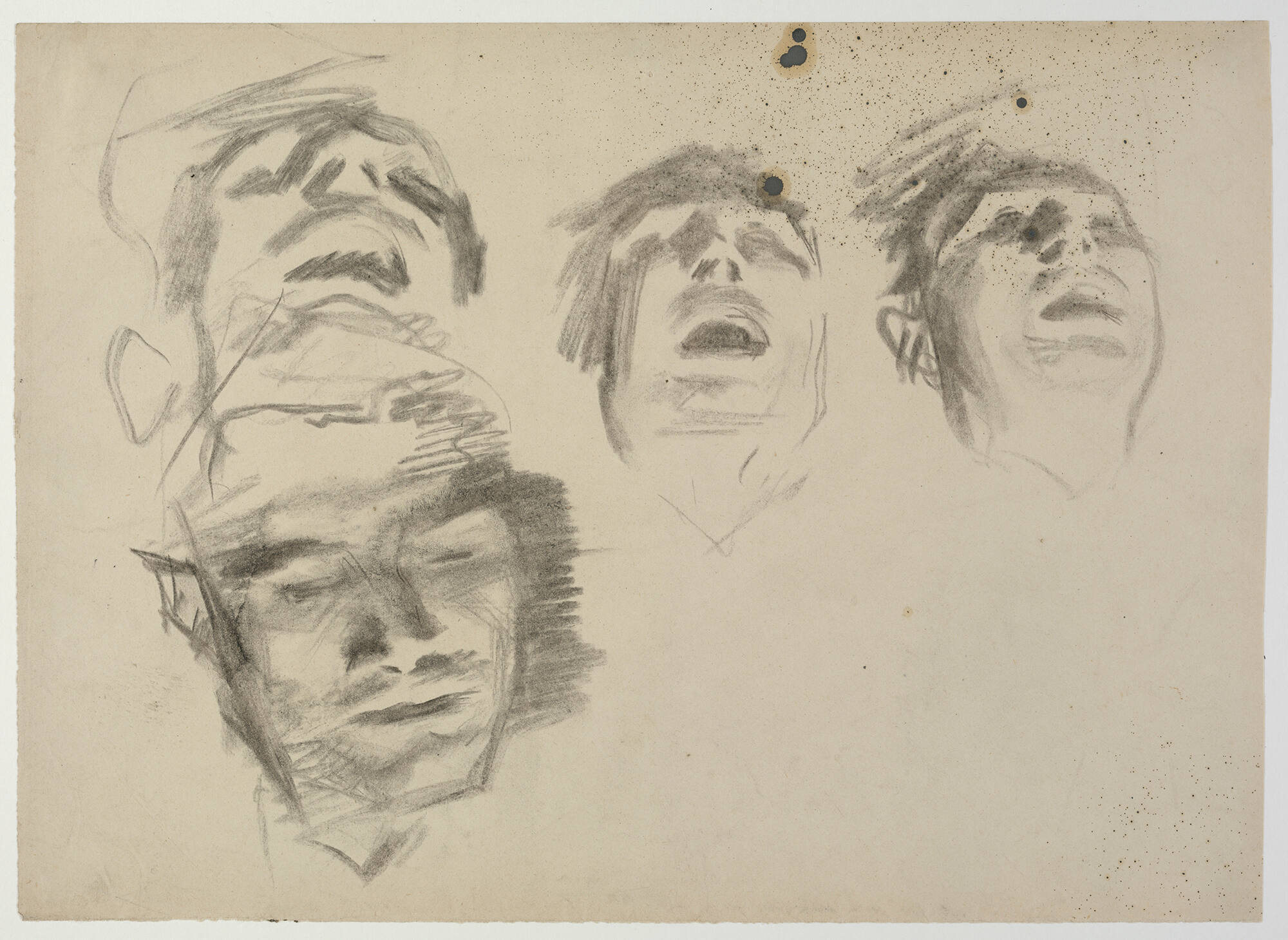
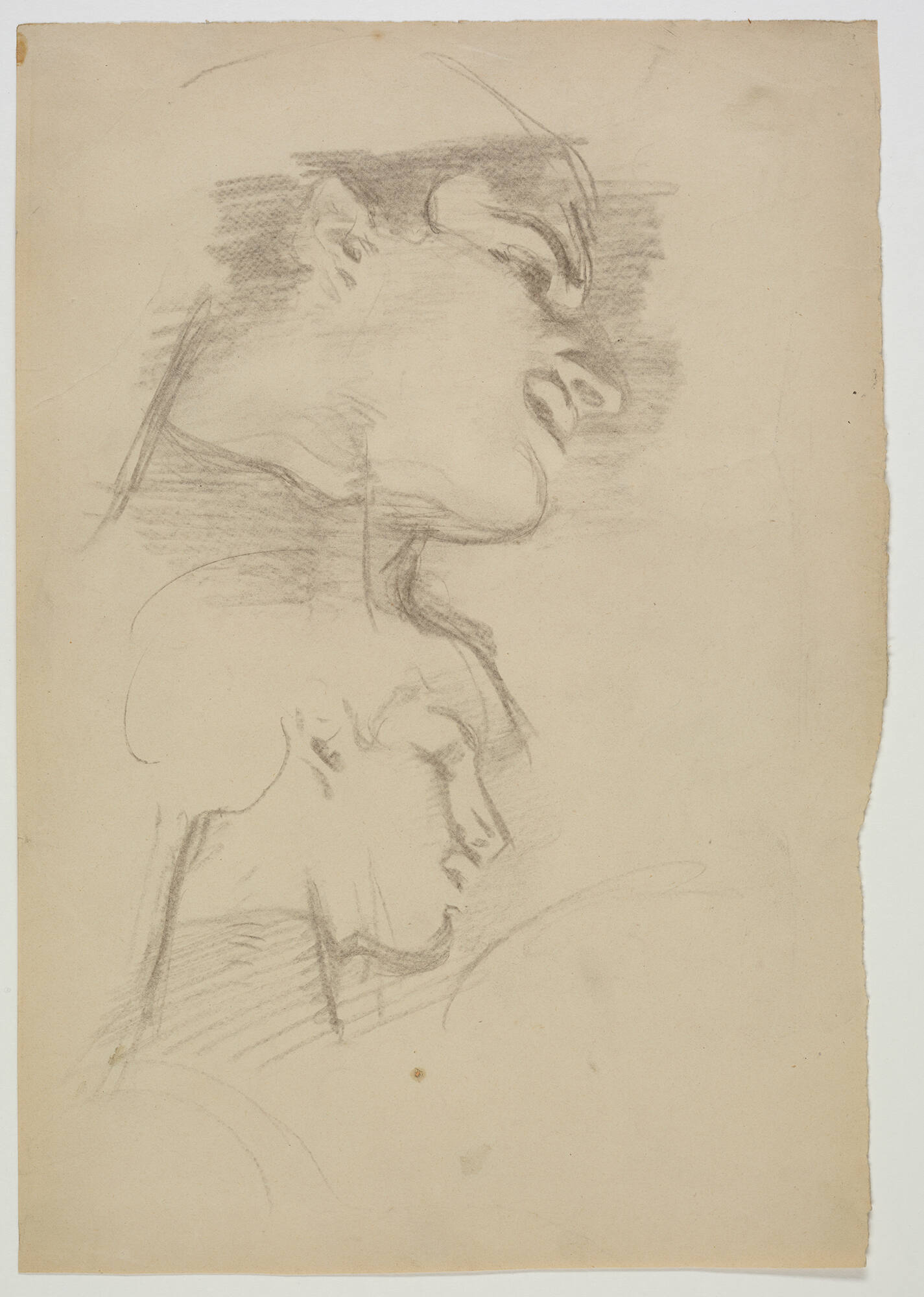
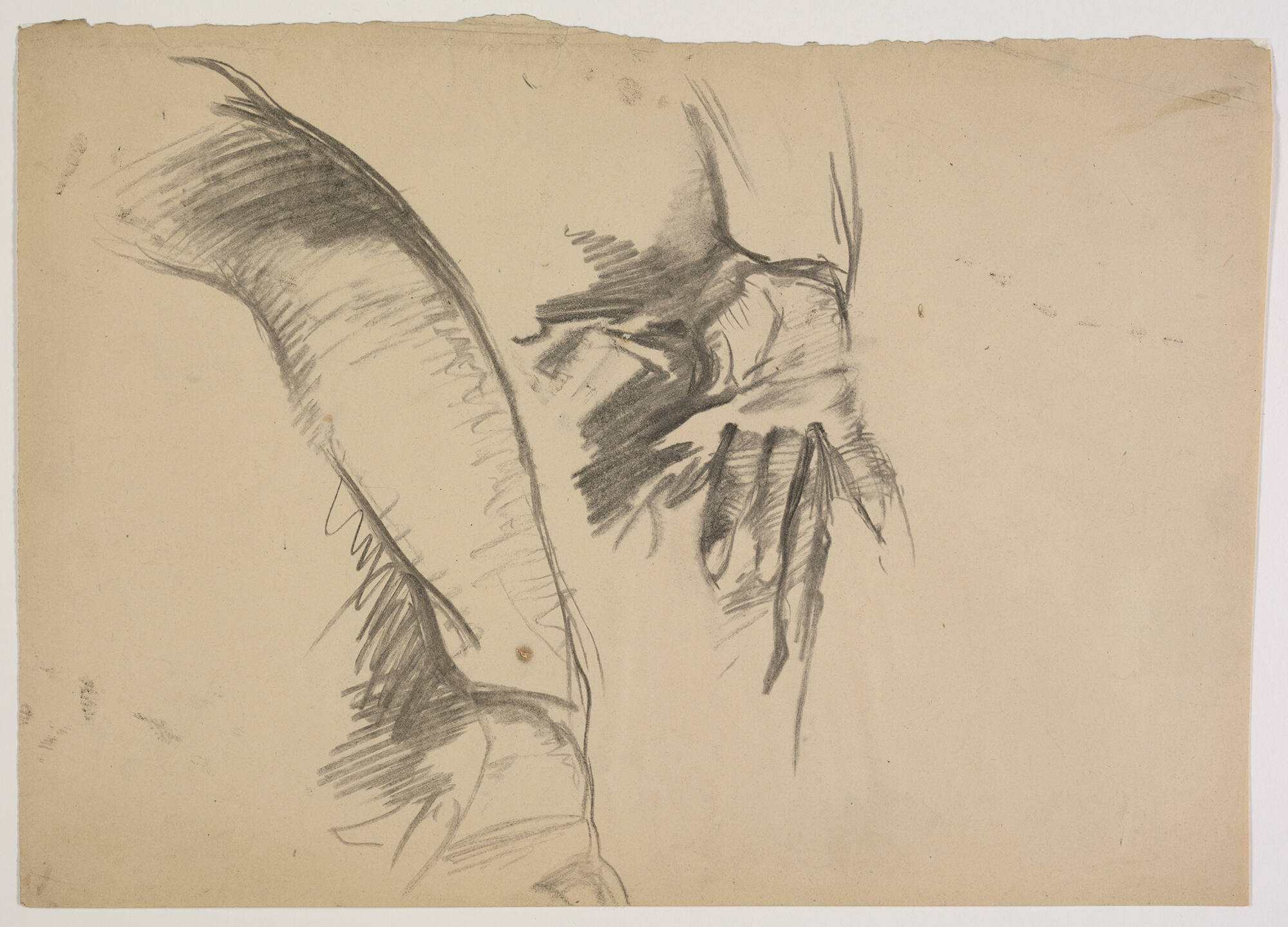
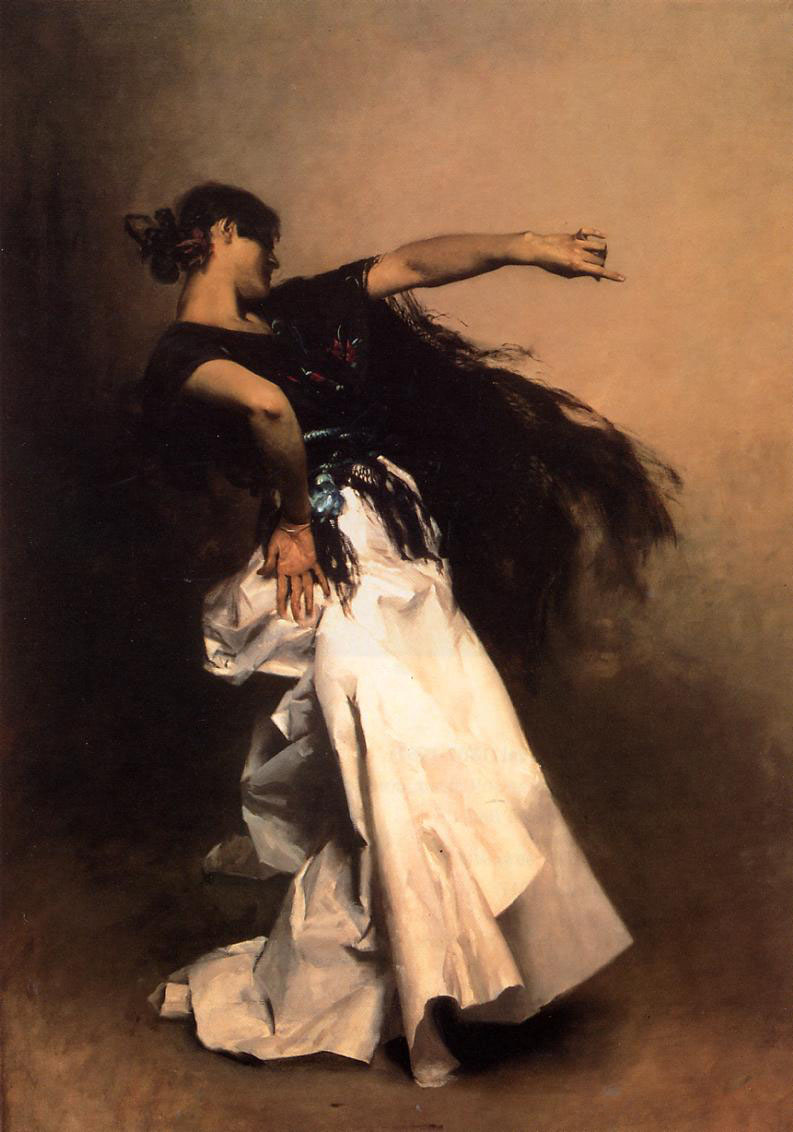
Immediately below is a panting by John Singer Sargent titled El Jaleo. It is one of his most well-known works. Not all painting methods or styles require preparatory drawings, but many methods can benefit from it. Working with paint can be a complex and complicated process and many artists chose to work out composition ideas and refine more complex elements (such as the human figures) or try out different ideas on paper first using drawing materials like charcoal, graphite or ink. Below Sargent's El Jaleo are several examples of preparatory drawings as well as a few studies in oil paint that he made before making his masterwork, El Jaleo.
Making preparatory drawings first generally allows an artist to more quickly develop ideas about composition and value. At the end of the day it allows them to be more efficient with their time. Once they have a composition and value study that they are happy with, they can progress more quickly toward a strong finished work.
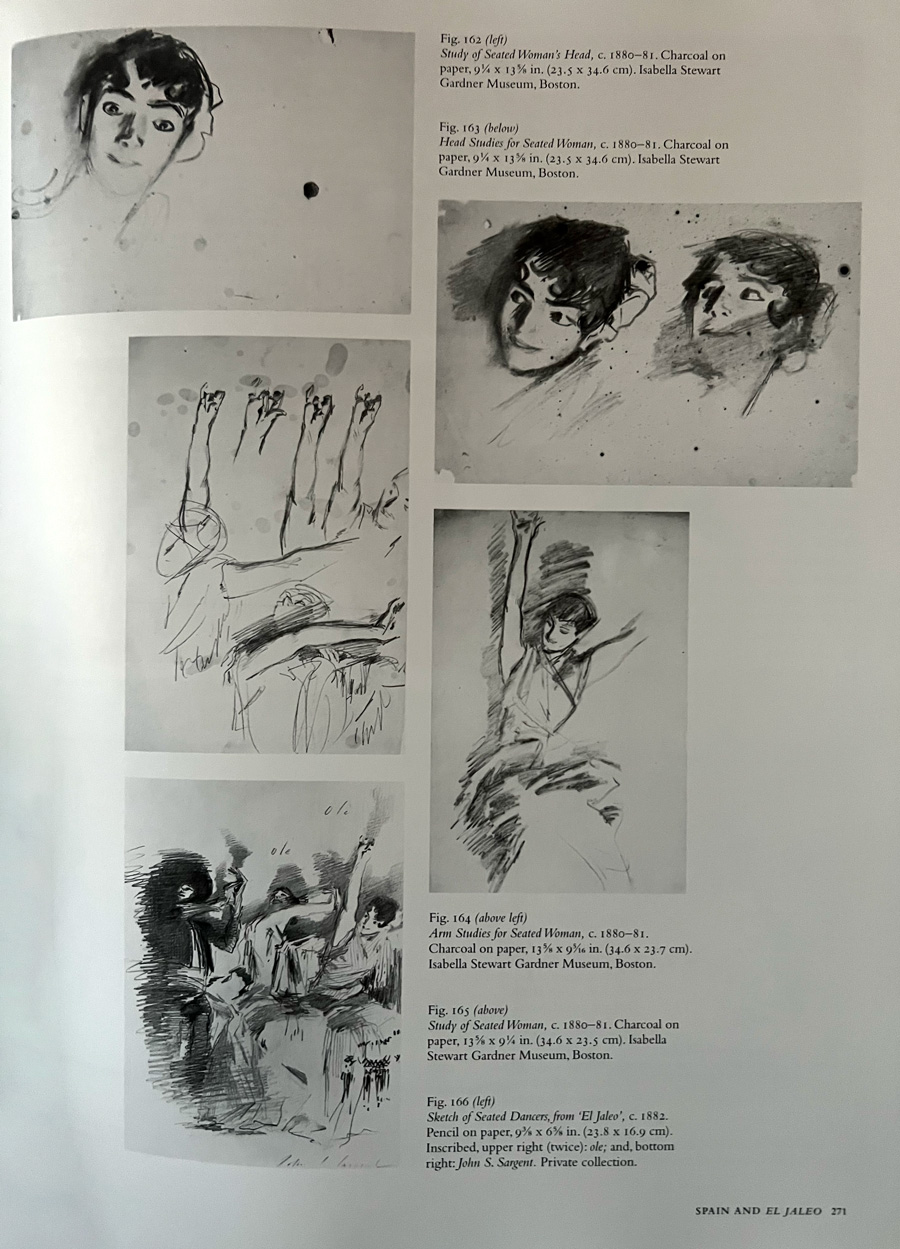
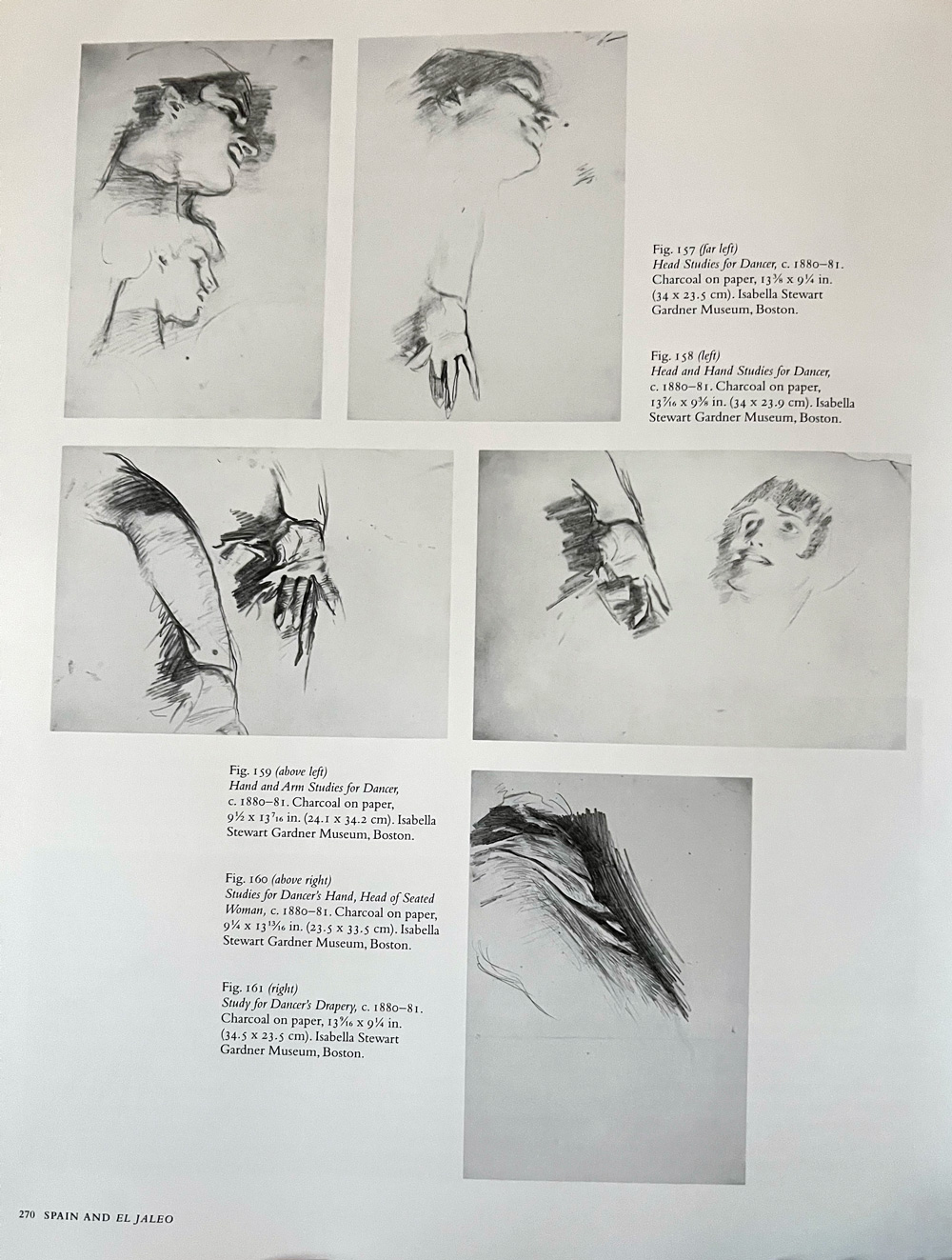
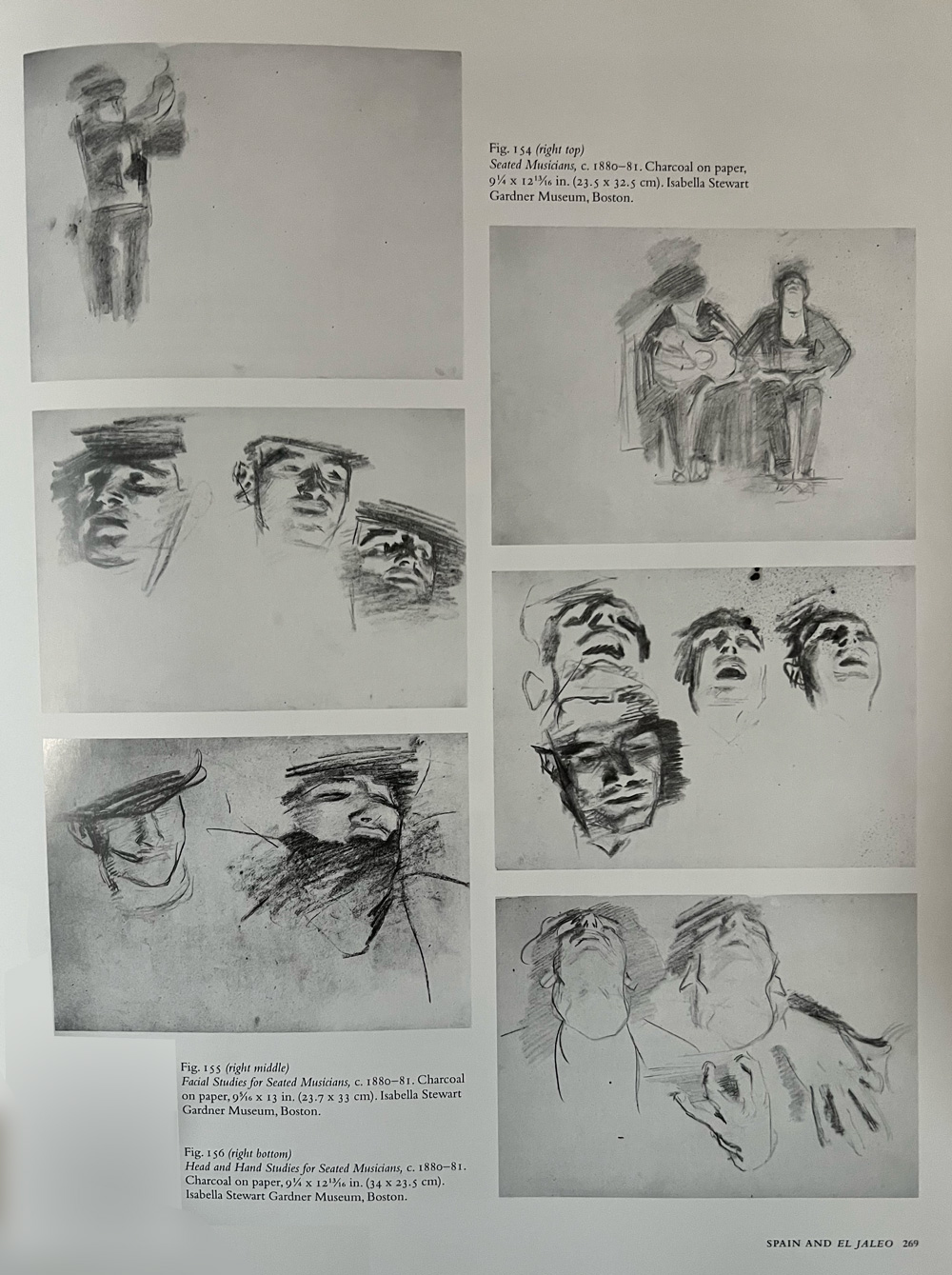
Studies in charcoal for El Jaleo
Below are some detail images from the pages above.
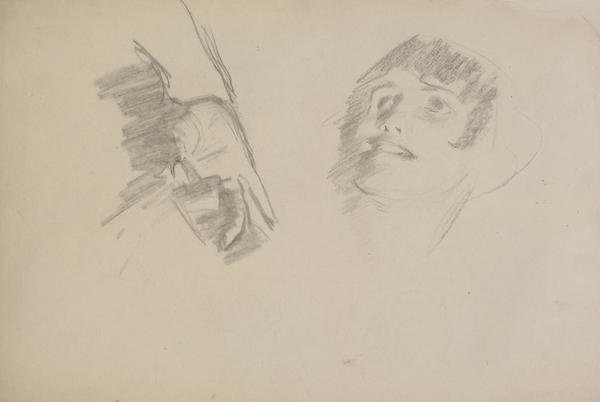
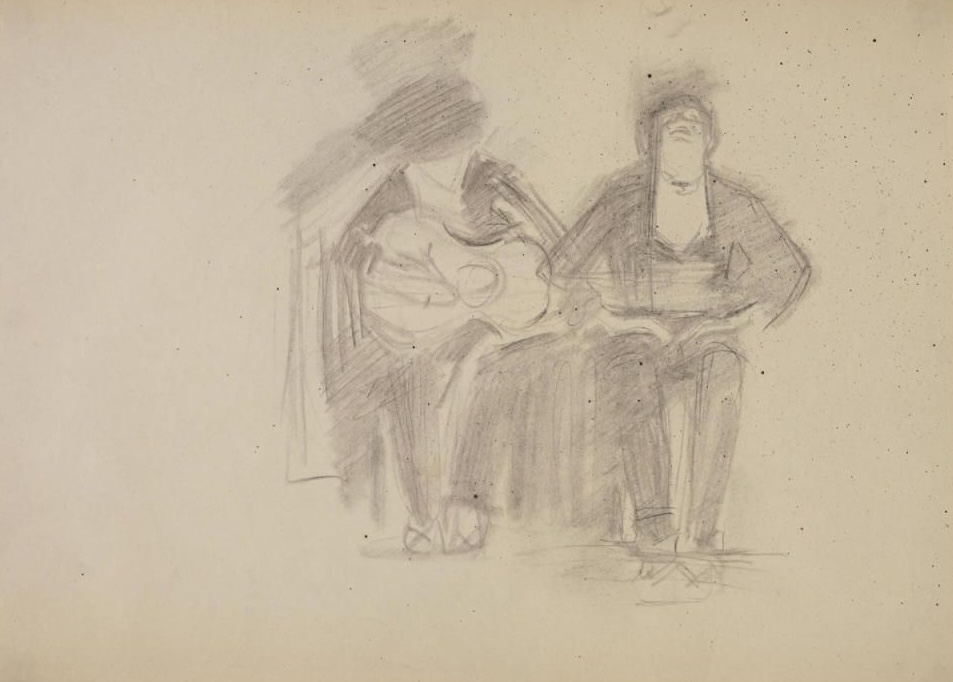
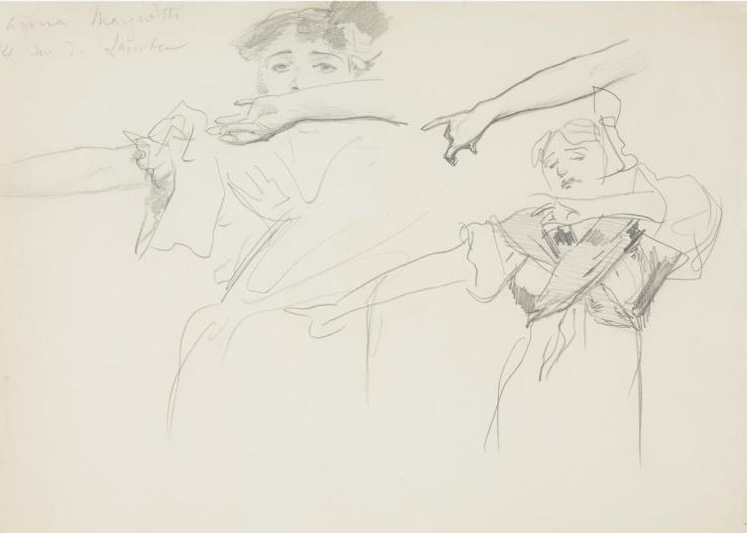
Painting Studies for El Jaleo
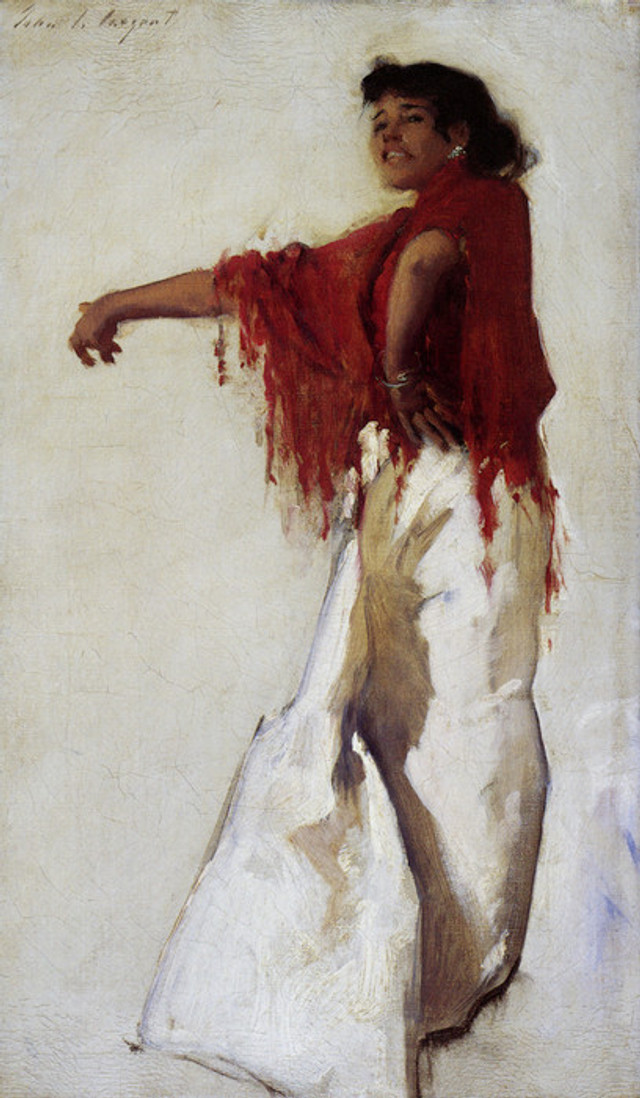
alternative titles: Sketch of a Spanish Girl, The Spanish Gypsy,
oil on canvas, 18¼ x 11¼, private collection.
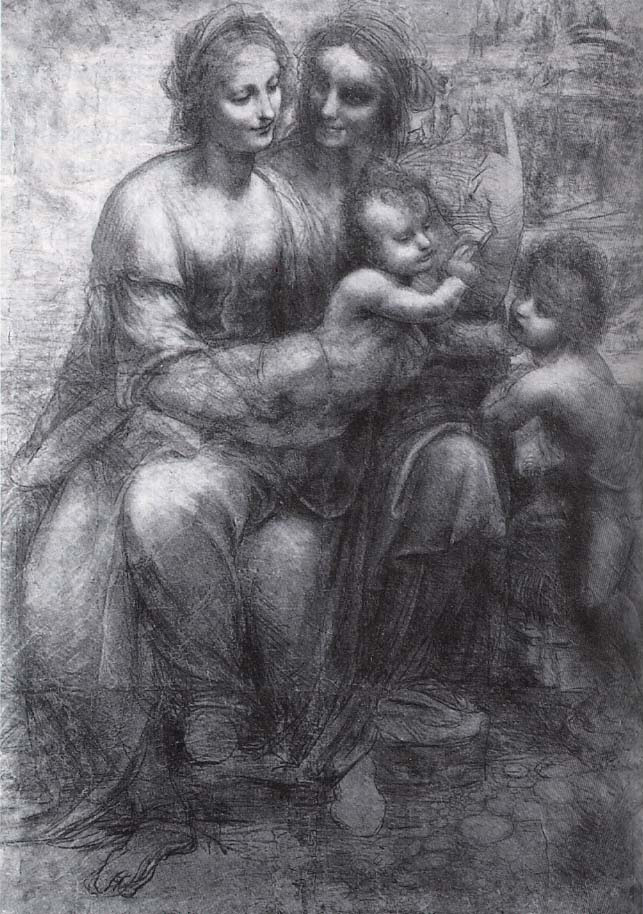
Cartoon
A cartoon is the word used for a completed preparatory drawing of an entire composition. Often cartoon were made and then charcoal was rubbed on the back and the drawing was placed on the surface to be painted. The drawing was then retraced as a way to transfer the design onto the prepared painting surfce. This was often done with fresco painting. Below is a completed cartoon for a presumably planned painting by Leonardo da Vinci. A painting based on this drawing was never made (or at least has not survived intact to be discovered).