Gesture
The basis for accurate and dynamic drawing
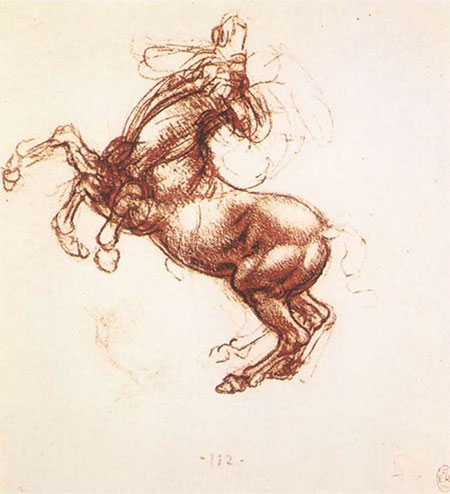
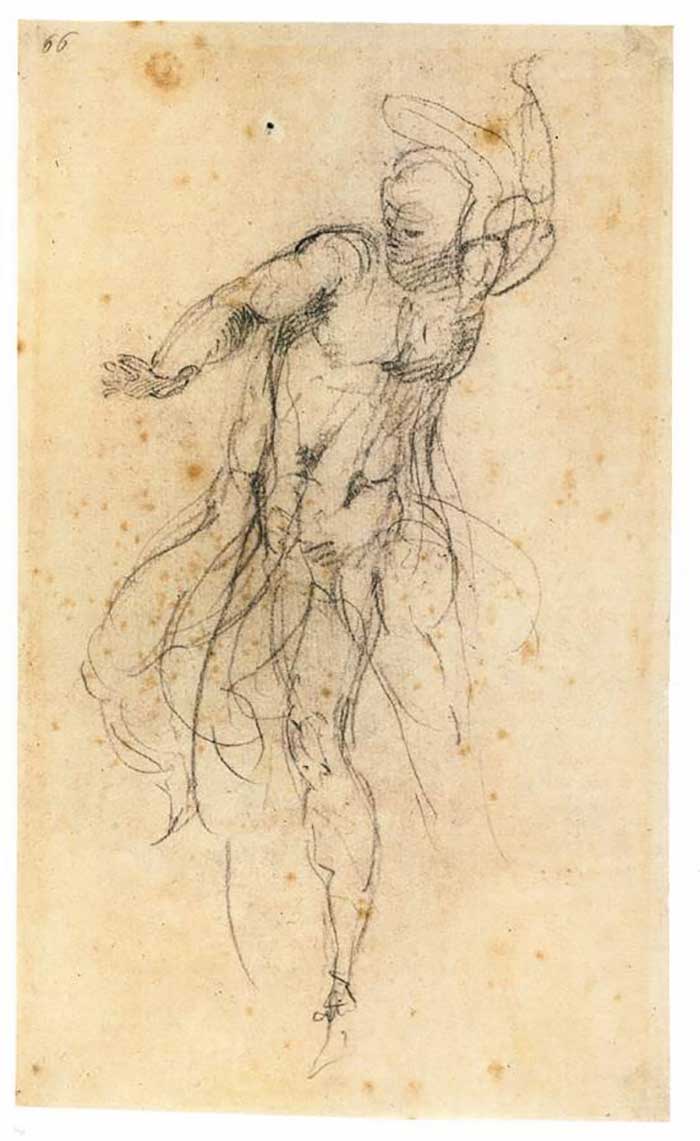
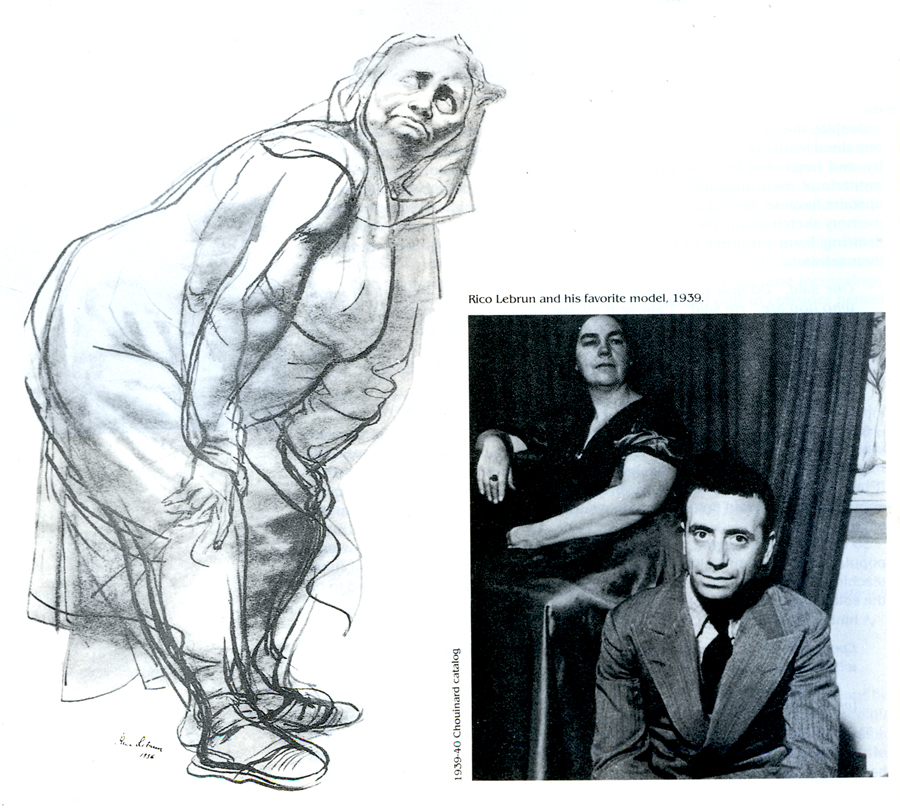
Gesture is the drawing method used by Leonardo, Michelangelo, and hundreds if not thousands of artists since them. It enables the artist to create drawings with life and energy that are accurate and in proportion.
It may also be a process that is new and even uncomfortable to you. In this class, you will be asked to try artistic methods, processes and techniques that may be new and even uncomfortable. I ask that you step into the challenge and work through the discomfort. I remind everyone that growth does not happen without discomfort. If you had never done anything uncomfortable, you would still be clutching your parent's knee, afraid to stand up and walk.
As a reminder, trying a new task may at first result in you being less stable or less strong in a task, but give the new method a chance. I have been teaching drawing and painting for over thirty years and I promise I will not ask you to try anything that does not have a rationale based in years of art instruction. Ultimately, this class is only fifteen weeks. At the end of the fifteen weeks you can make drawings and paintings any way that you desire, but for these fifteen weeks, I ask that you try the processes outlined in class. And again, the gesture processes is the same process used by Michelangelo and Leonardo, and they are clearly the two best Ninja Turtles.
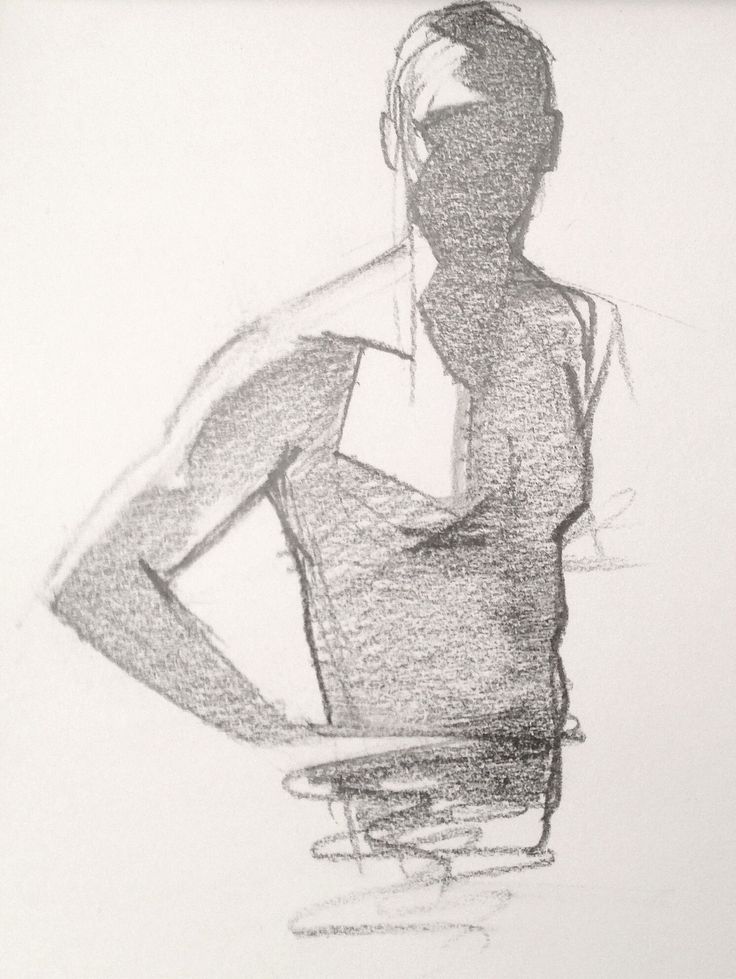
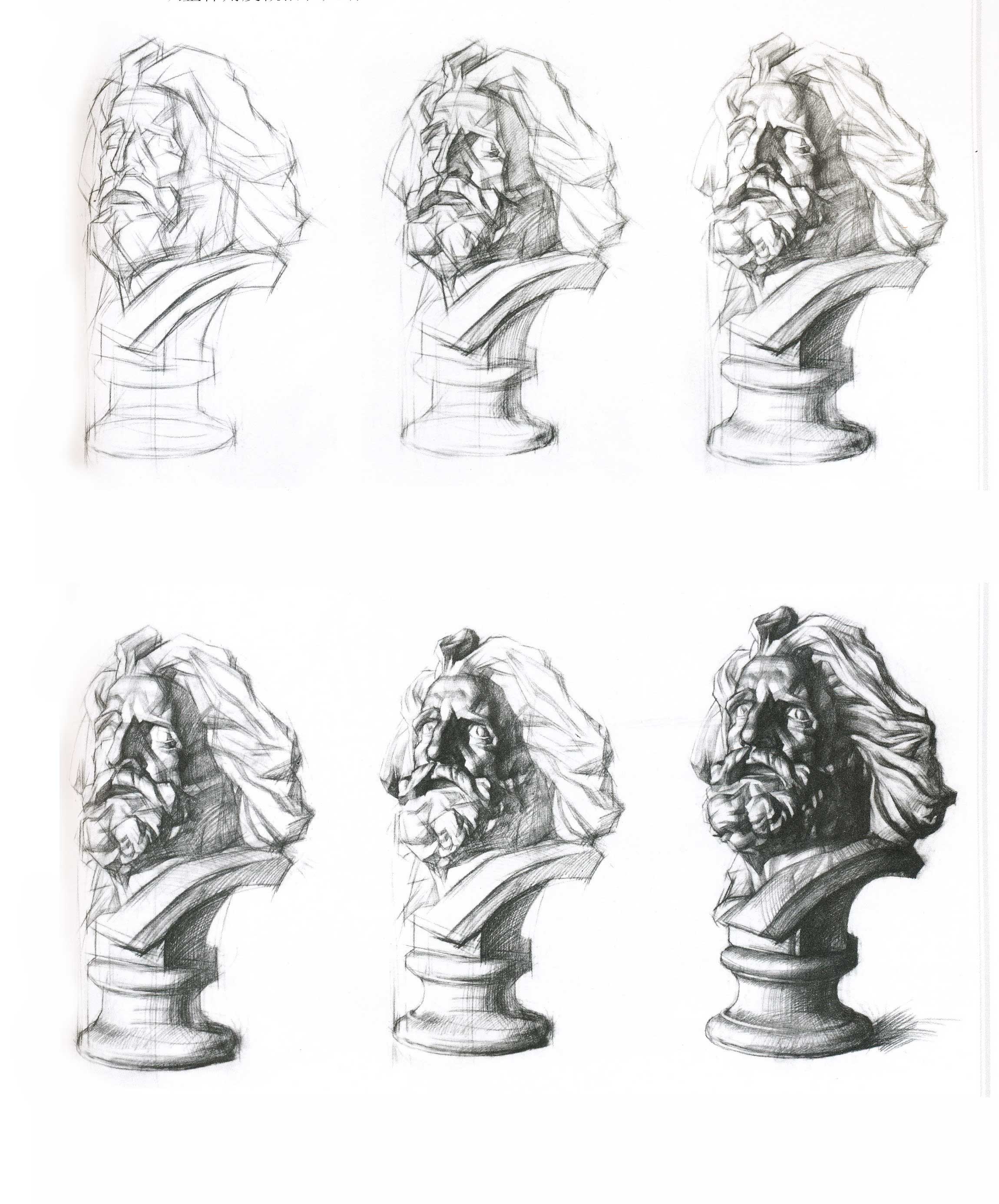
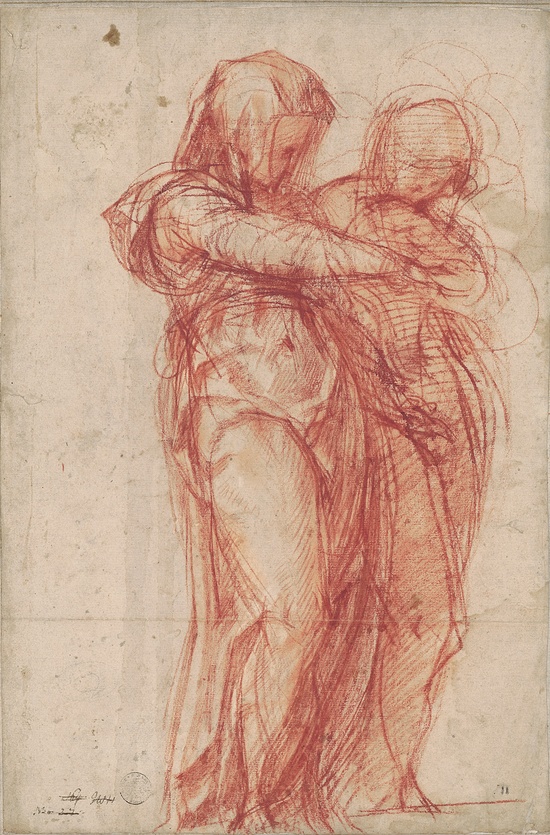
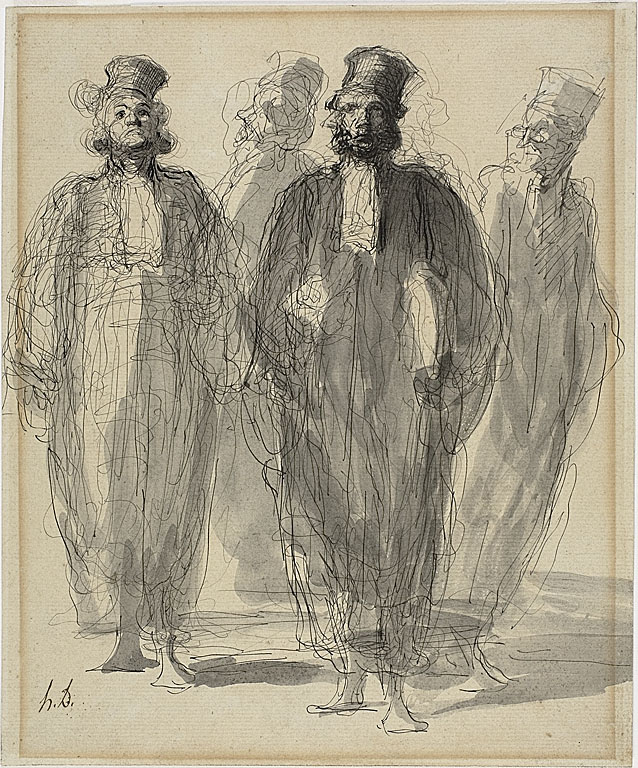
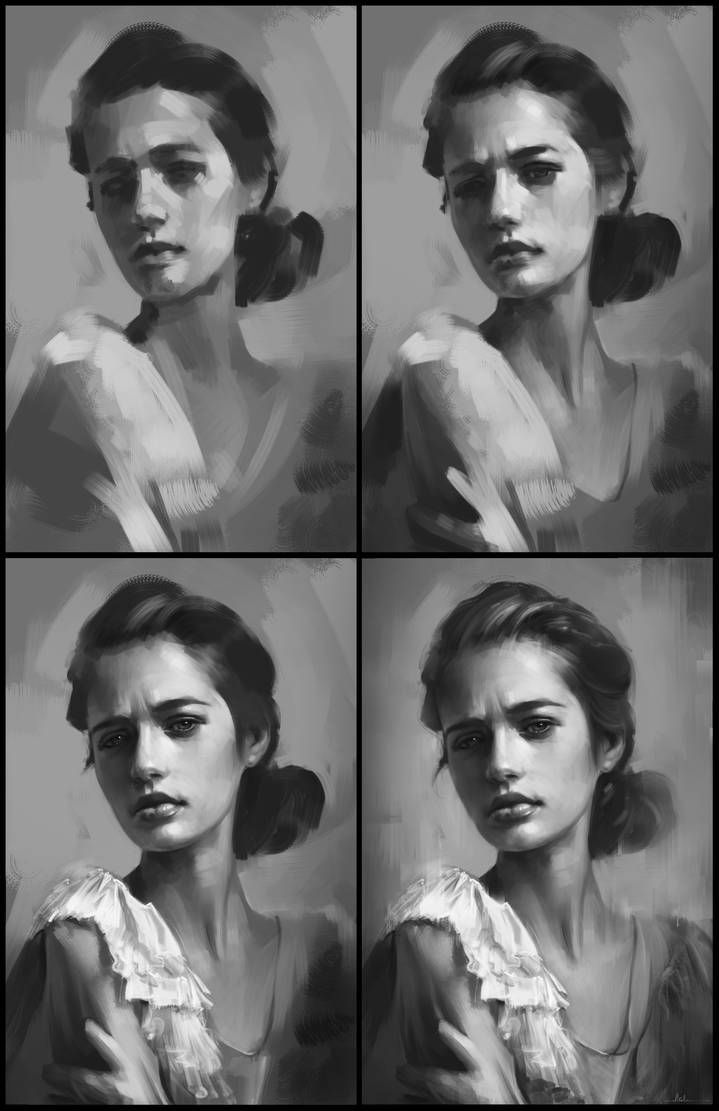
Gesture eventually translates into blocking in the basic values of the form, in this case a portrait. I recommend starting with the gesture and then moving on to the large light and dark forms. Simplify them and cover your entire digital canvas with the approximate value in the approximate shape. Each value/shape will be refined and adjusted as you continue working.
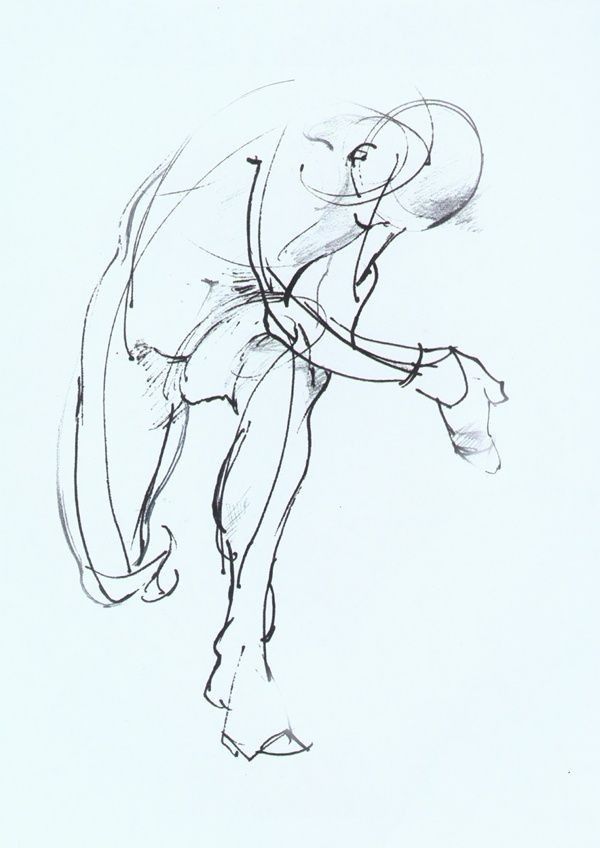
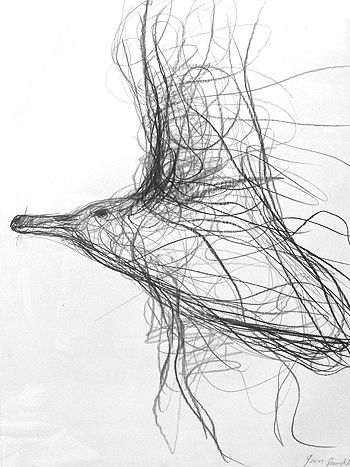
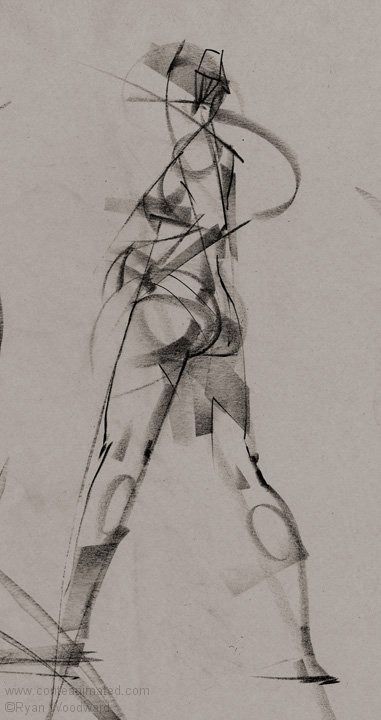
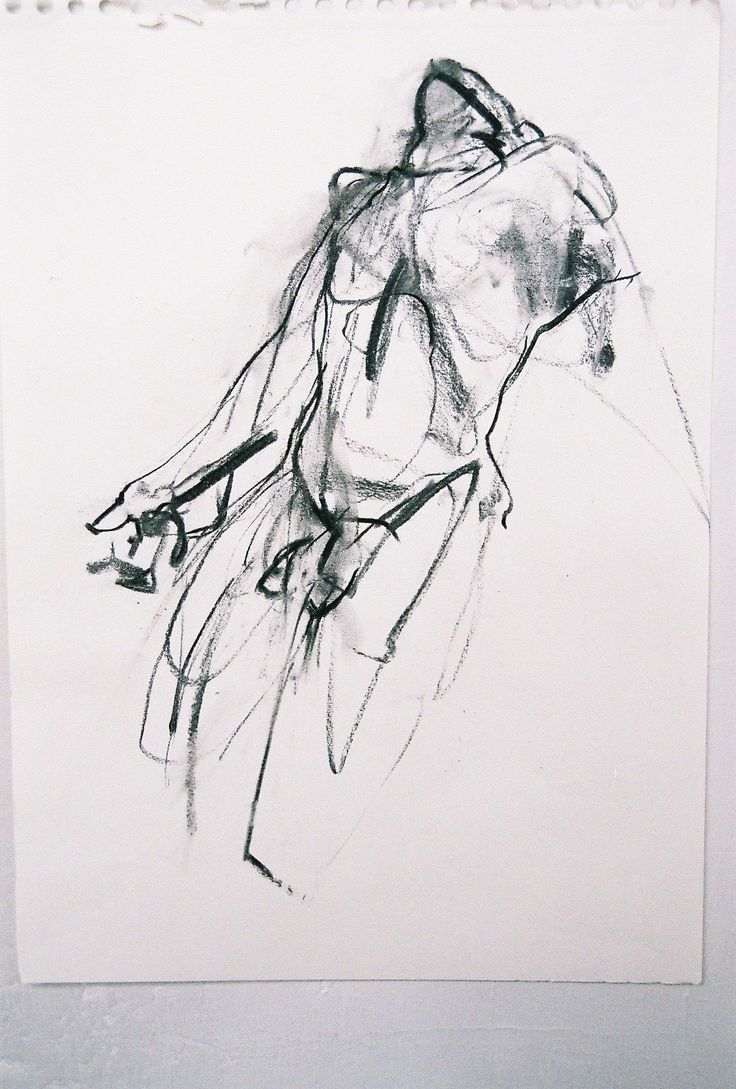
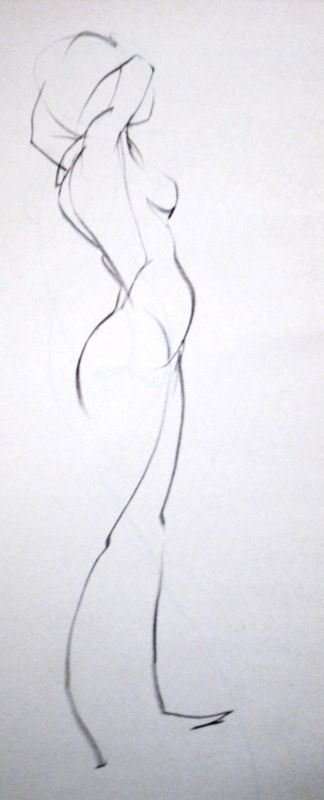
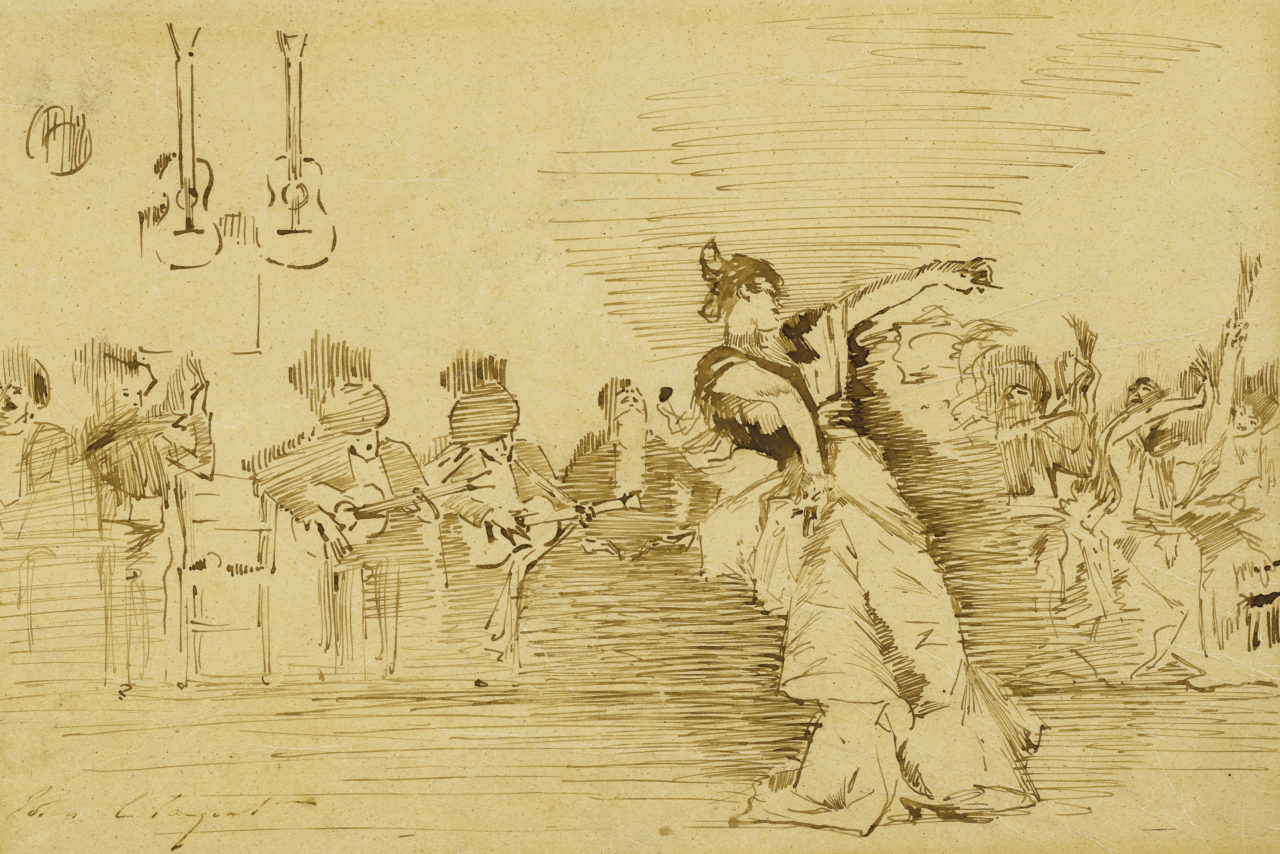
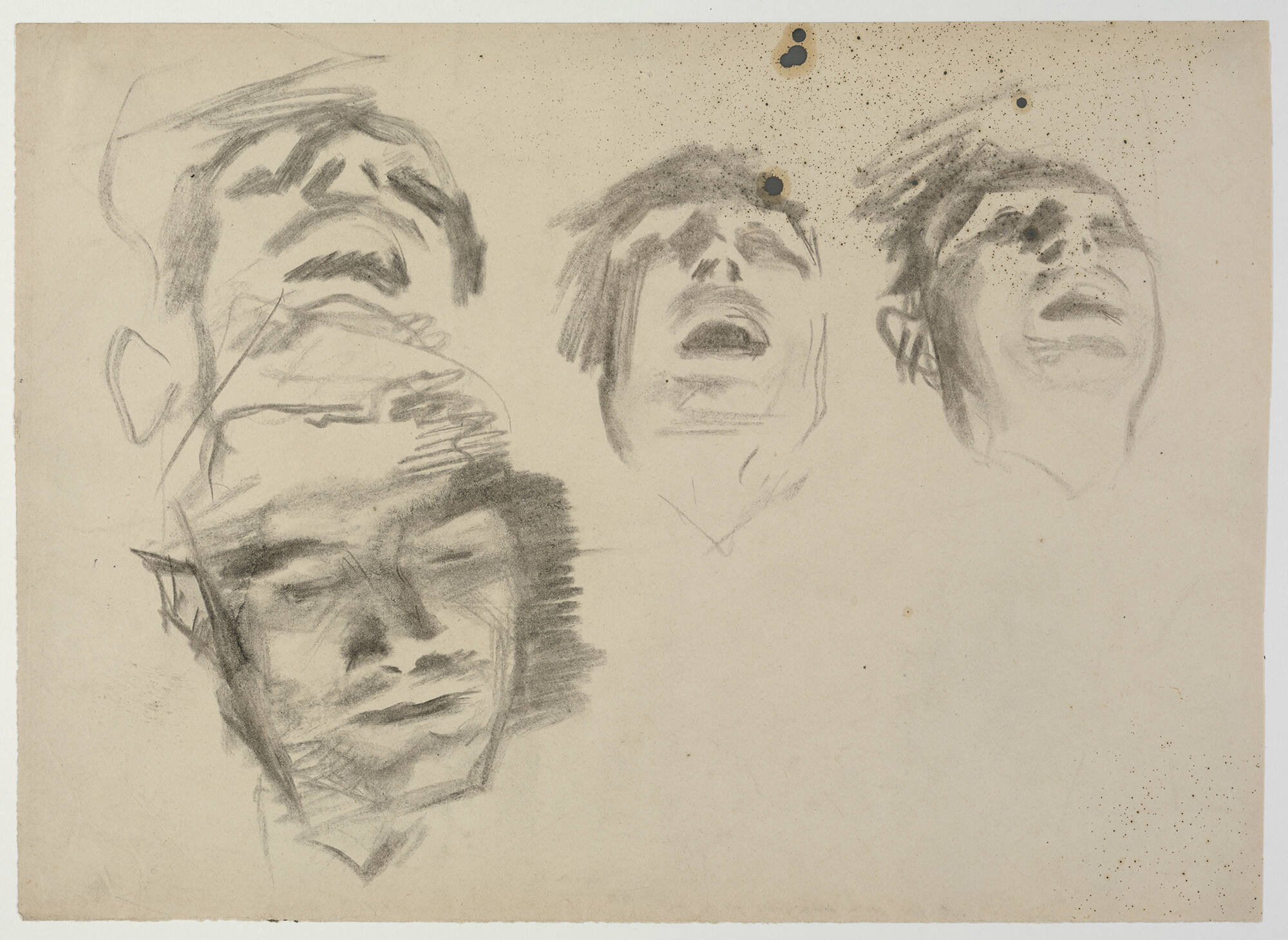
Pictured on this page are some examples of gesture drawing. Also at the link below are further examples of gesture drawing.
As you draw, pay special attention to how changes in pressure with the pencil (charcoal, conté, stylus, etc.) allow you to make a range of expressive marks. Investigate how your marks can place emphasis in some areas of the drawing. Start off lightly then build up / refine your lines as you go.