Disegno
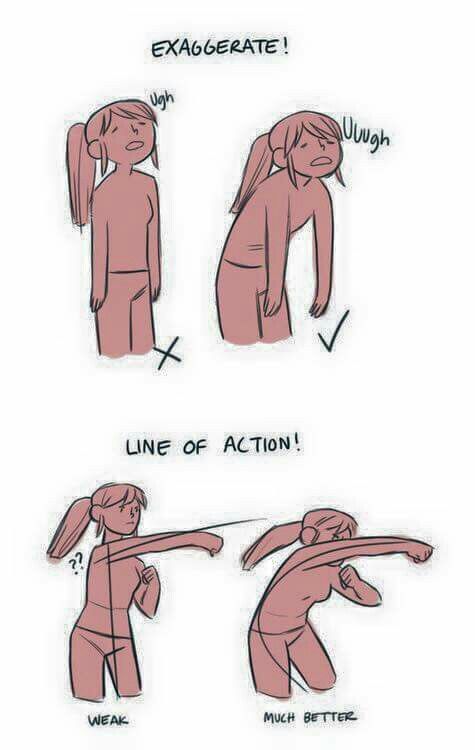
As an artist it is your responsibility to change what you see in order to more effectively communicate the form to the viewer or to better make clear your ideas. This means designing, changing, exaggerating or abstracting forms to make a better drawing. As one draws one is designing. Inform your drawing with what you see BUT actively choose where to put forms, lines, shapes, and shading. It can mean changing values or adjusting lines, in order to design a stronger composition, in order to make a stronger image.
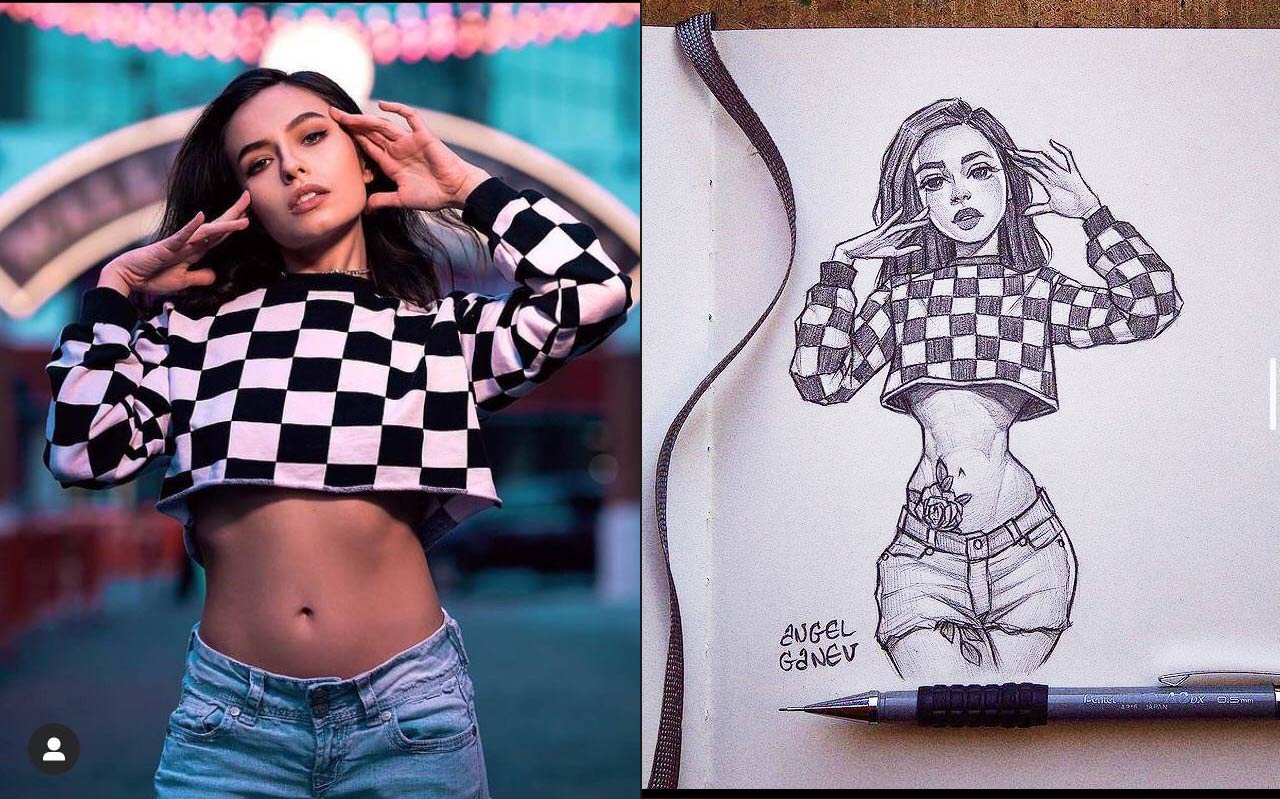
Don't be a slave to what you see
When one views the source photo for this drawing and compares it against the drawing, one can see that this artist make aesthetic decisions that differ from the photo. The artist used exaggeration and distorion to adjust proportions and to change forms. The artist followed the concept of disegno.In English we have the words draw and design. Each word has its own distinct meaning, whereas in Italian they have one word which means both to design and to draw. That word is disegno. I want each of you to forget the separate words, draw and design, and from this point forward think only of the term disegno. I want you to always be designing when you draw. I want you to be consciously deciding when and how to change what you see when you put it on your paper.
Below is another example of an artist distorting what he saw to artistic effect, (or would have seen if he was using a model). Andrea Mantegna intentionally made the feet of Christ a bit smaller in his painting of the The Lamentation over the Dead Christ, completed in 1480. Since the viewpoint is from the bottom or end of his feet, the feet are close to the viewer and would have in real life appeared much larger than Mantegna chose to draw them. It is generally believed that he shrank the feet of Christ to make sure he did not appear to have clownish feet. This painting is an image of reverance, and the artist made the change to maintain that.
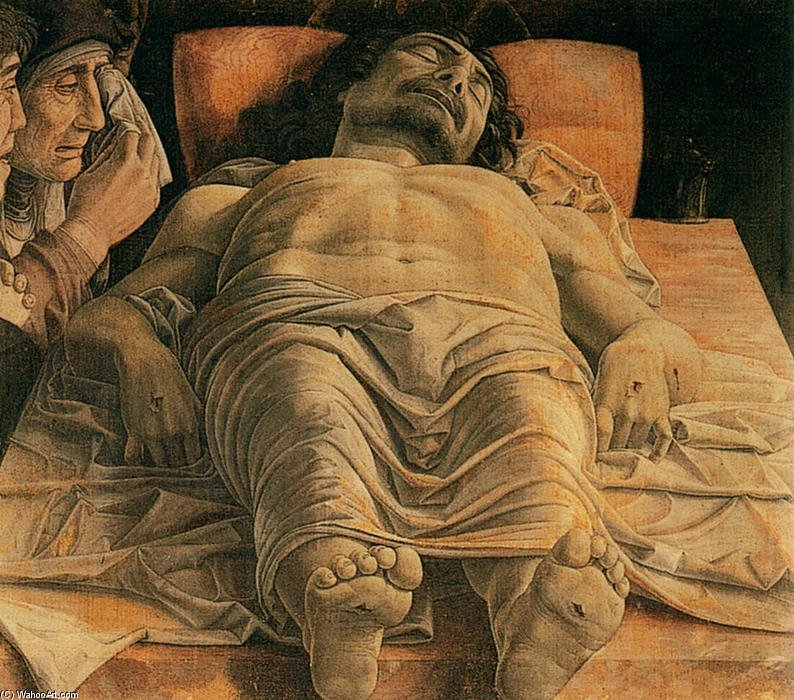
You likely did not notice the size of the feet, which was the intention of the artist. Mantegna wanted the viewer to focus on Christ's face, upper body, and the mourners. But now that I have mentioned it, don't his feet seem tiny? Baby feet anyone? Do you think this Christ would fall over?
It is the artist job to re-present in a fresh way
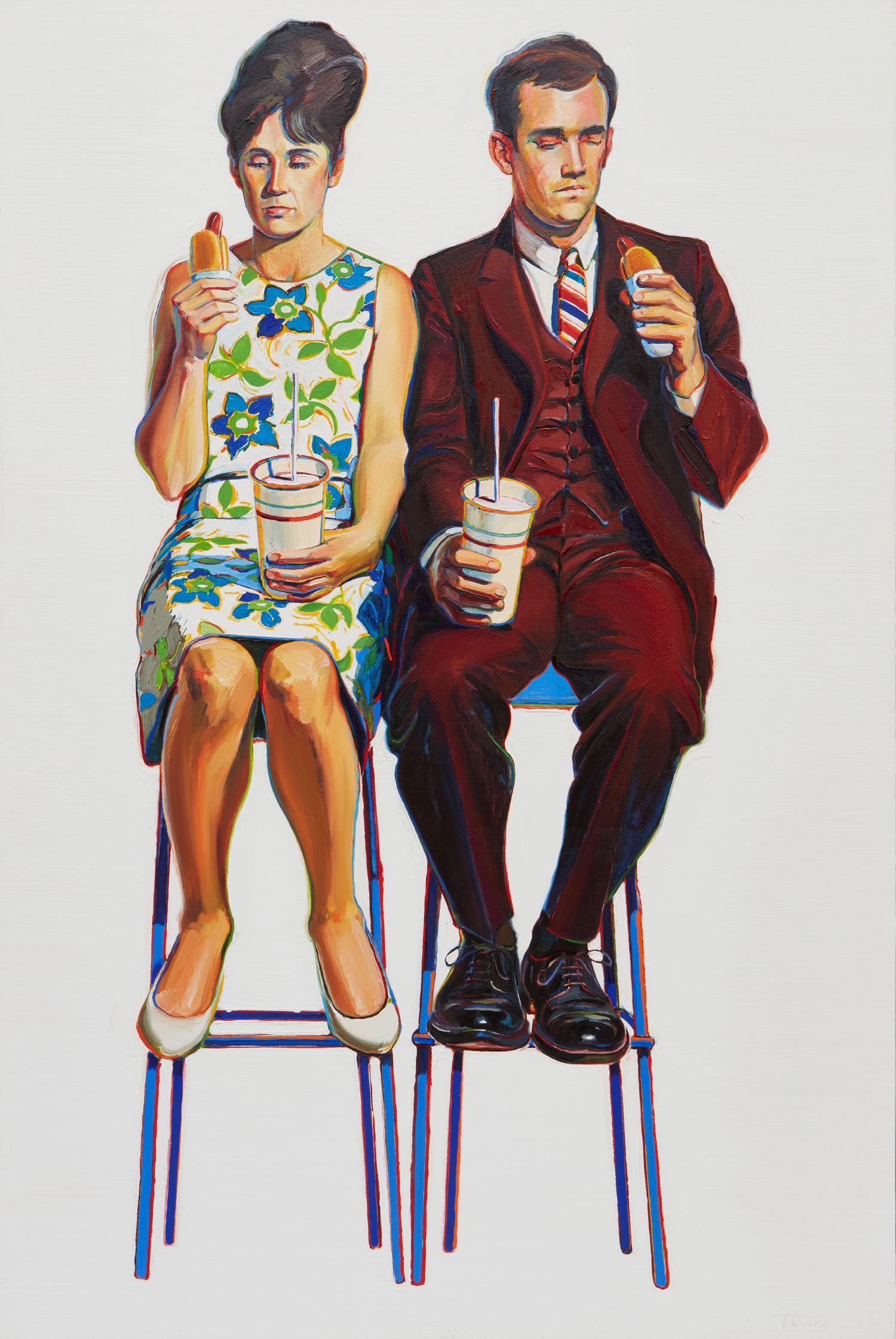
And help the viewer see what is in front of them in a new way.Wayne Thiebaud called making an exact visual recording of something "taxidermy," clearly not a positive nor worthwhile goal in his mind. Marcia Ball, art historian at Temple University, argues in her text Discovering the Unexpected in Art that artists make images that defamiliarize the subject for the viewer through presenting the familiar in a transformed way so that we will notice it.