Color Gamut
Painting with a Limited Palette
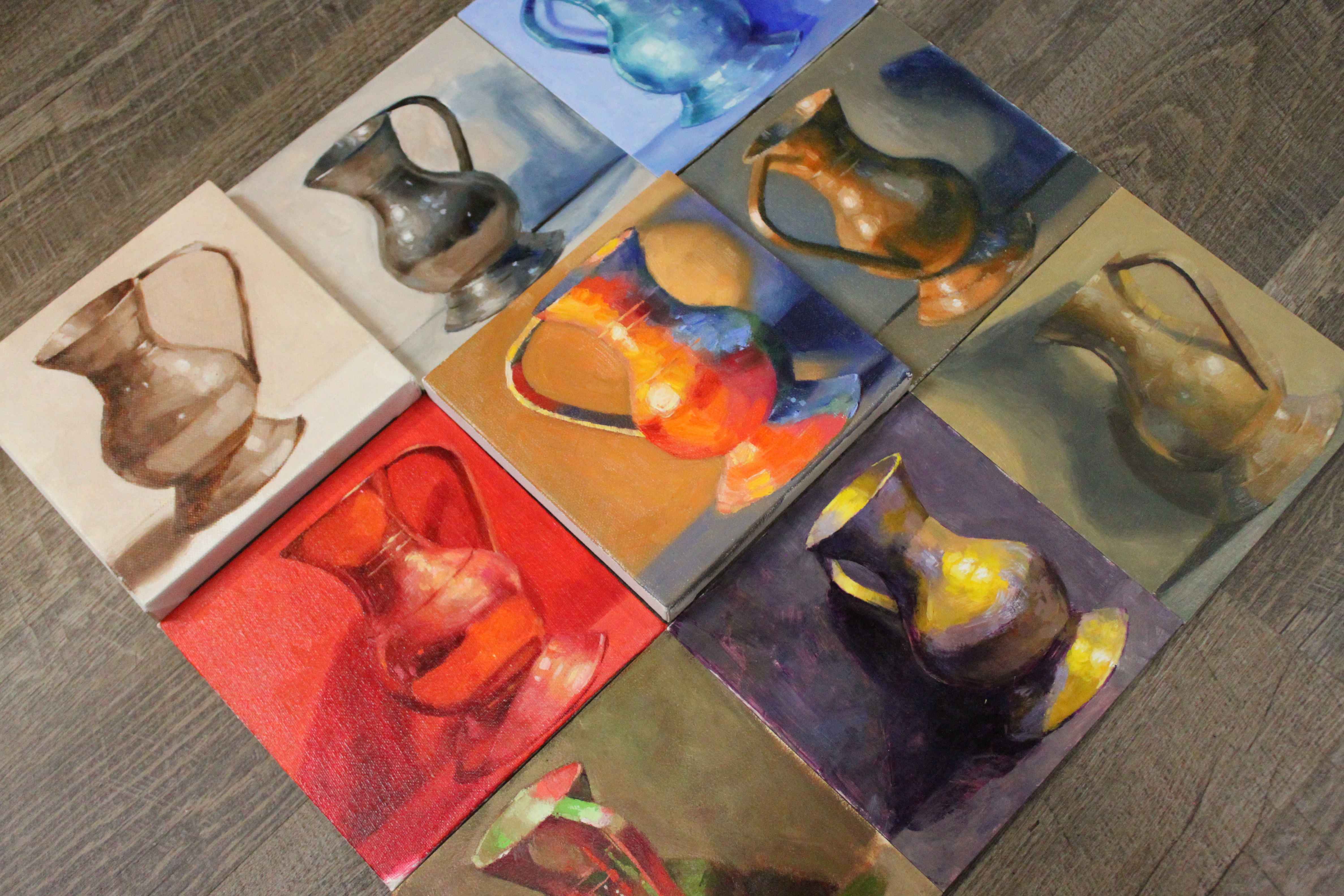
Many paintings are made with a limited palette. Limited palette can be used to indicate a time of day, mood, setting, and location. Twilight for example, or a night scene will have a limited palette because the full bright white light of the sun is not present. Without it the perceived colors of objects are changed. Additionally, a weather situation like a snowstorm or rainstorm changes the lighting conditions and hence alters the colors that one perceives. Other times a modified palette may be useful in communicating that something is off, to communicate warmth and comfort, to suggest an alien landscape, to create an anxious feeling in the viewer, to create a dreamlike space or make a scene appear nostalgic. These are just a few of the reasons to employ a limited gamut (or limited palette).
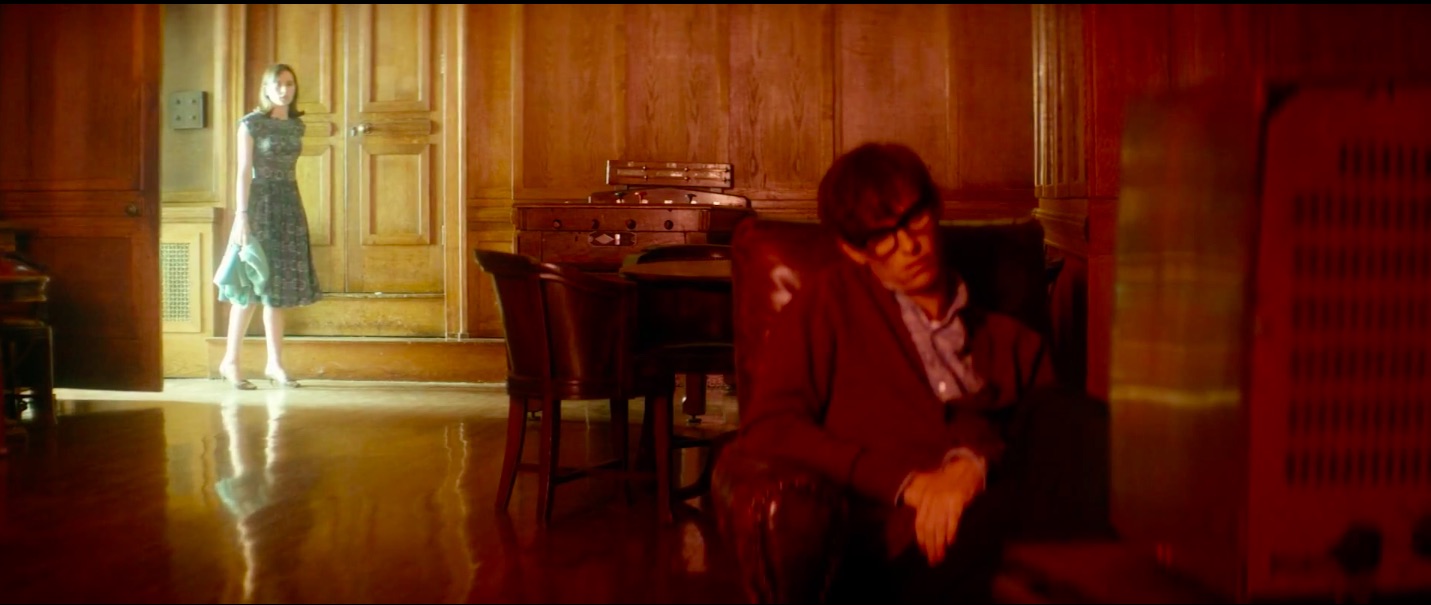
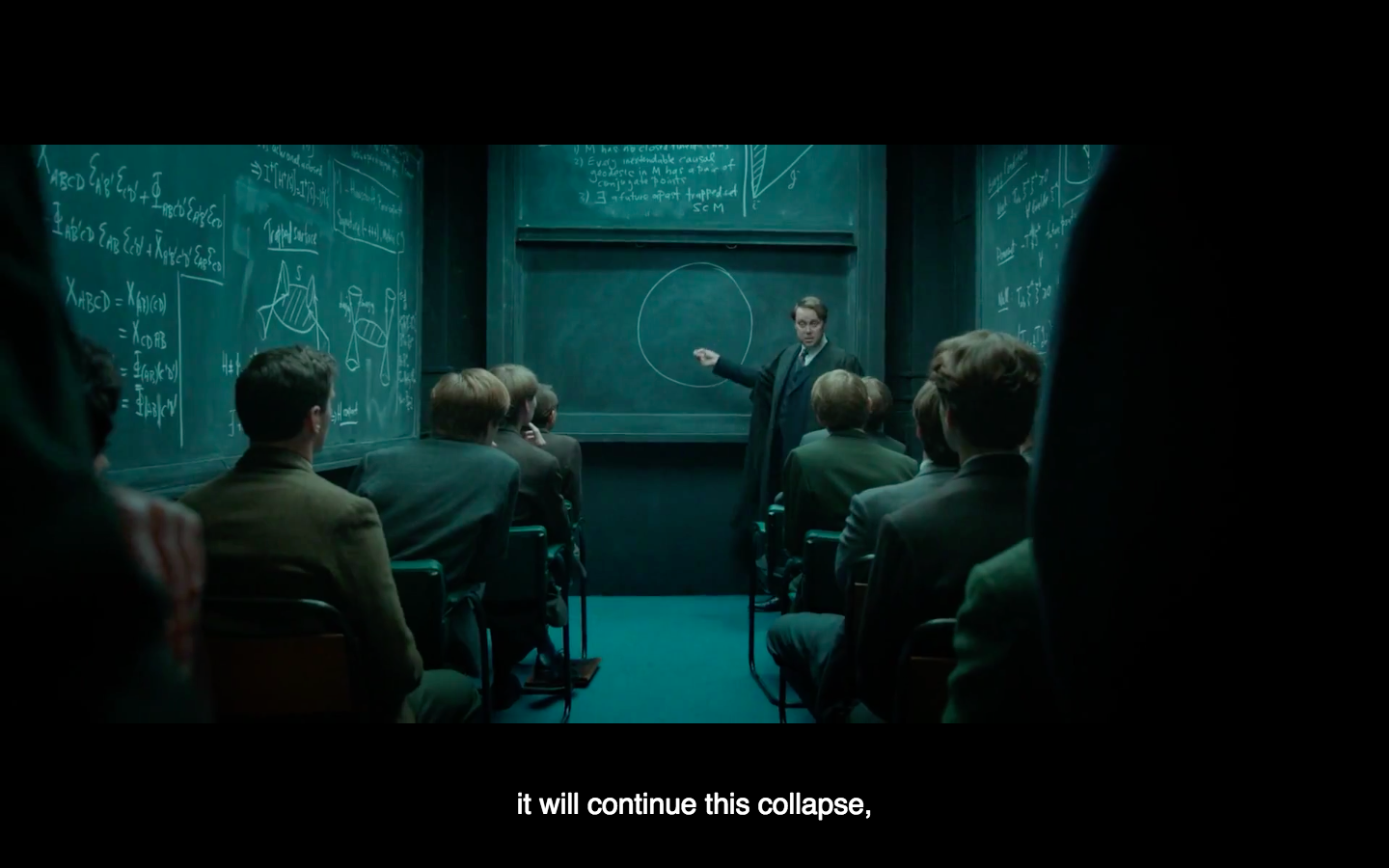
Below are two scenes from The Theory of Everything. Each has its own limited color palette created through lighting, setting, props, and clothing choices.
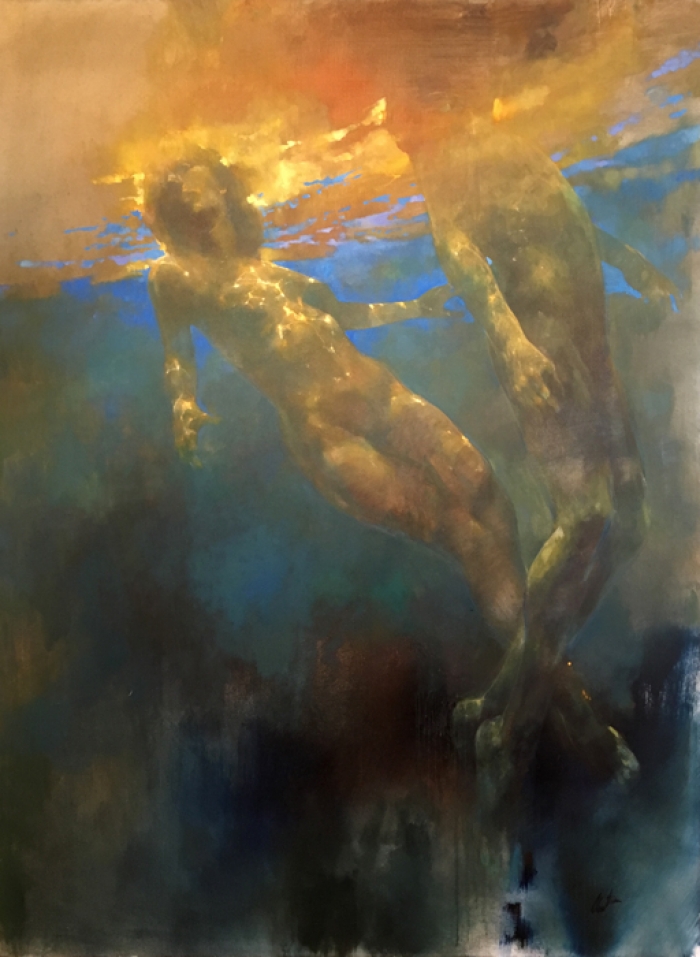
Some common ways of limiting the palette are using: complementary colors only, analogous colors only, or low-chroma colors only. Some examples are below.
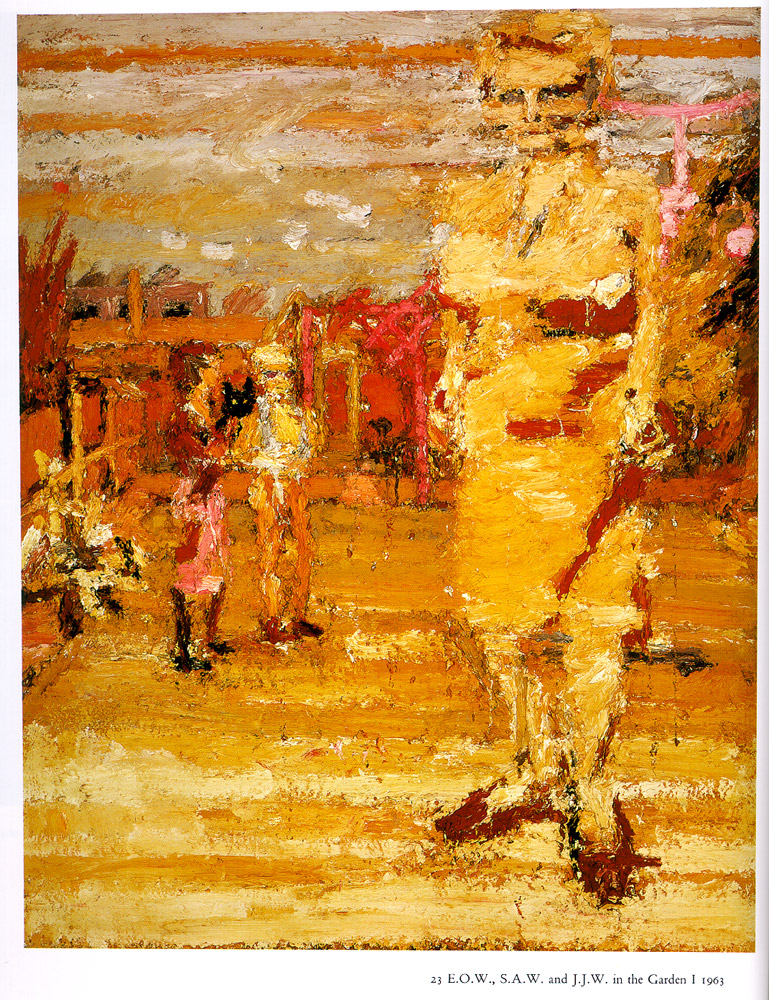
Frank Auerbach
E.O.W., S.A.W., J.J.W. in the Garden I
1963, oil on canvas.
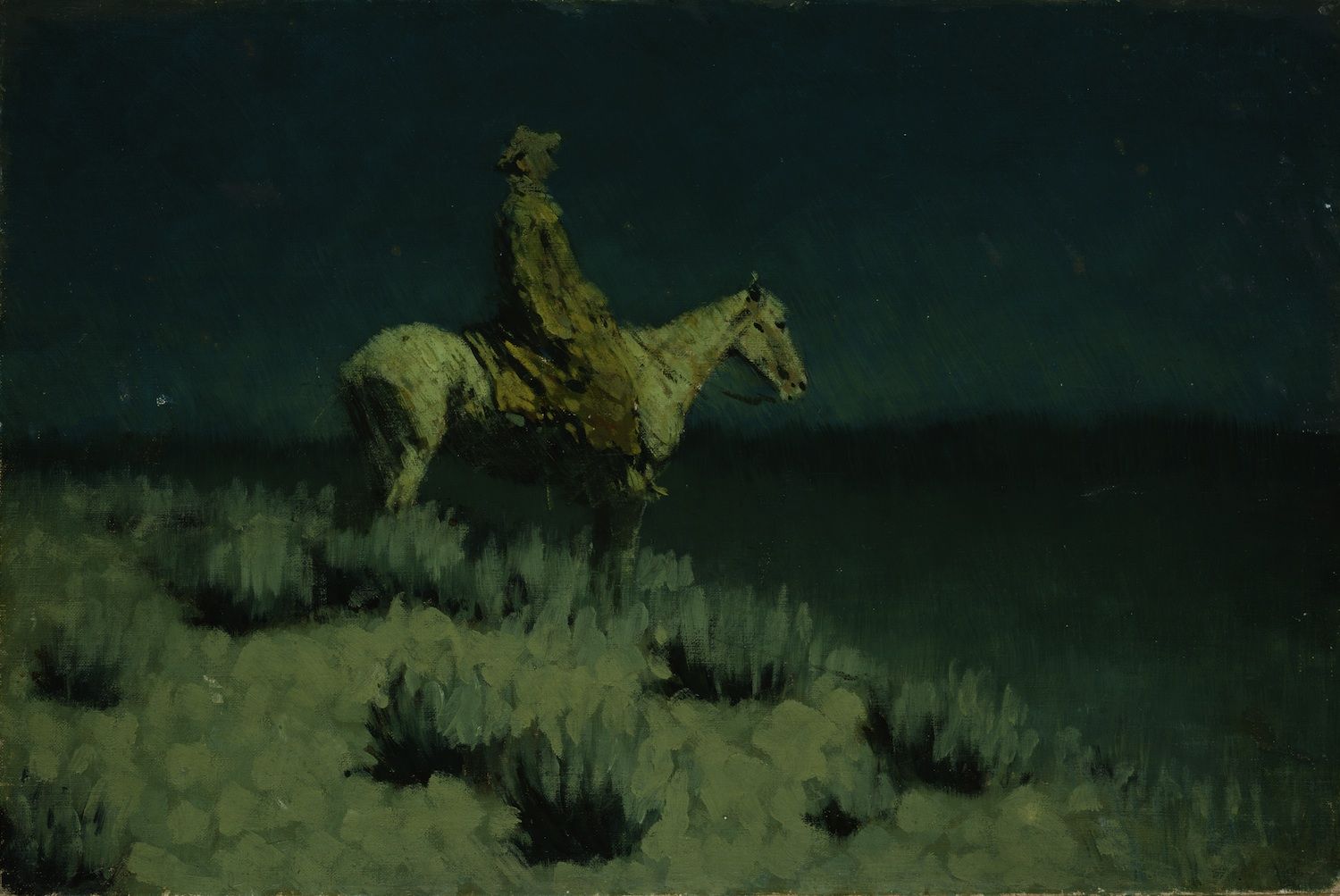
Frederick Remington
Untitled (Night Rider),
Alternate Title: The Night Herder
c. 1908, oil on board, 12 ⅛ x 18 inches


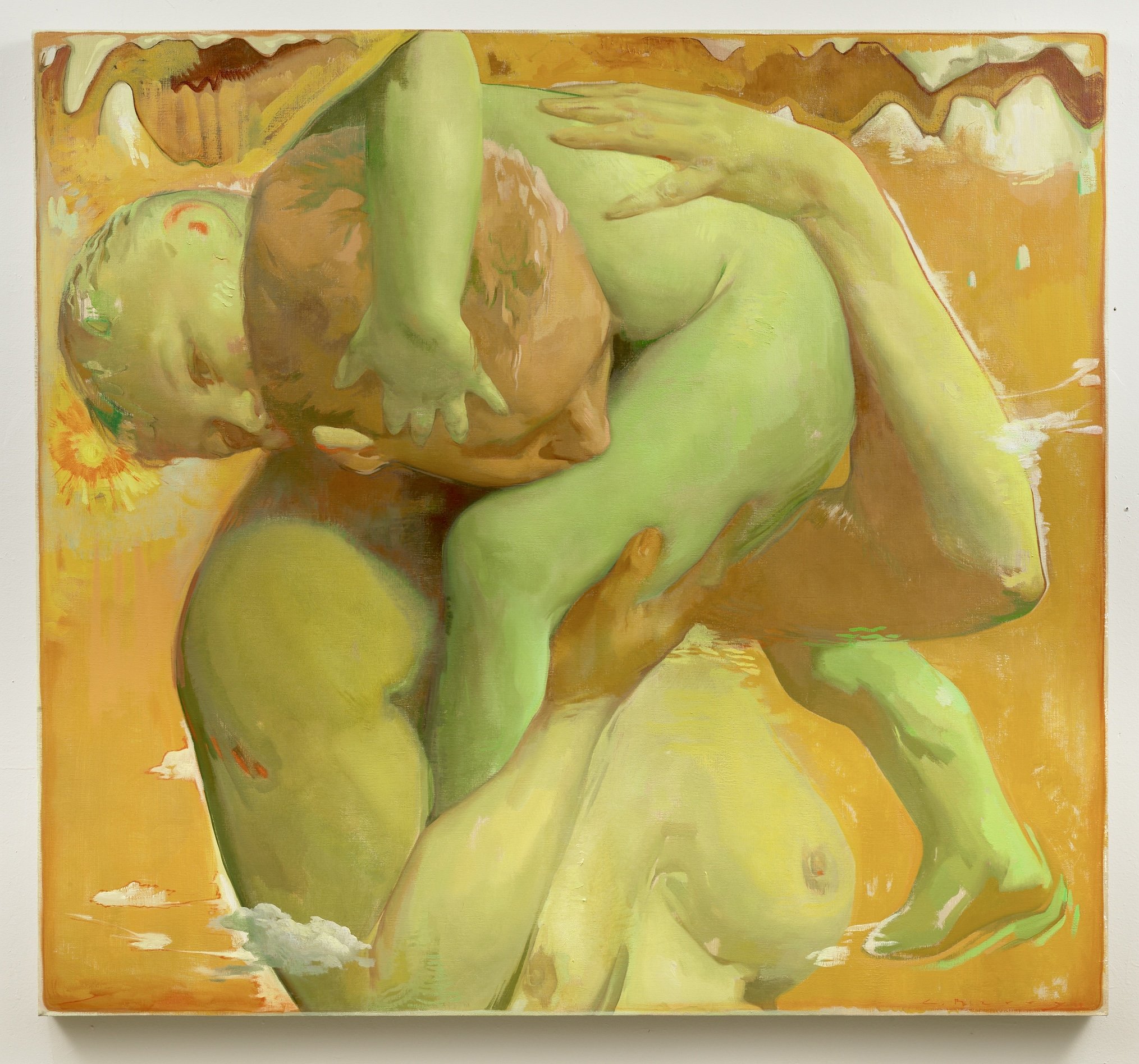
Our mind perceives colors based on the colors that are around them. Our mind also makes adjustments for the perceived quality of light. In this limited color still-life below most viewers see the bananas as yellow bananas, yet they are made from greens, blues, and browns.
Choosing a palette
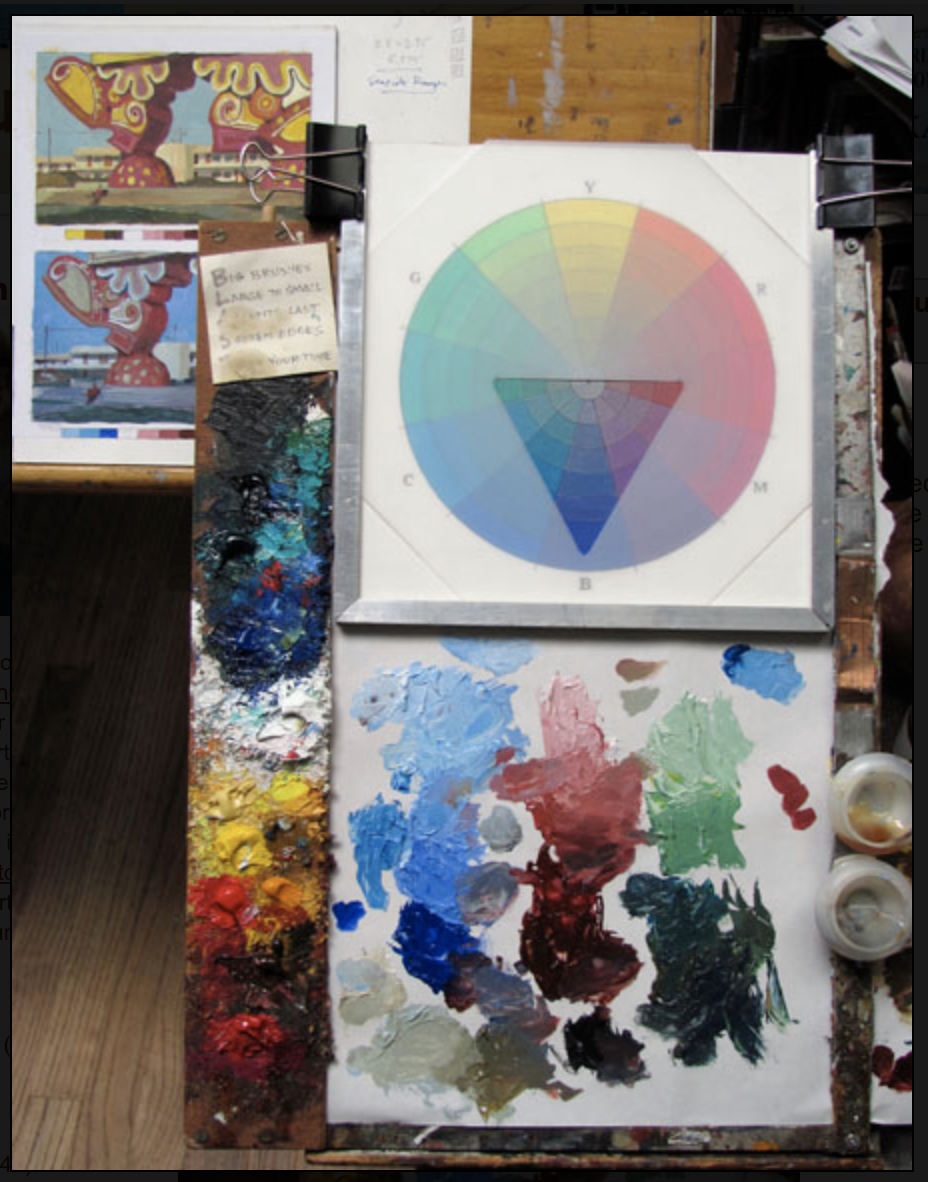
How does one choose one's palette. More straightfoward palettes like the examples above may be selected using a color wheel such as complementary or analogous for example. Low-chroma palette can be created through making a decision to eliminate any color with a higher chroma, but how does one select or create a more "complex" limited palette. James Gurney offers one method on his blog.
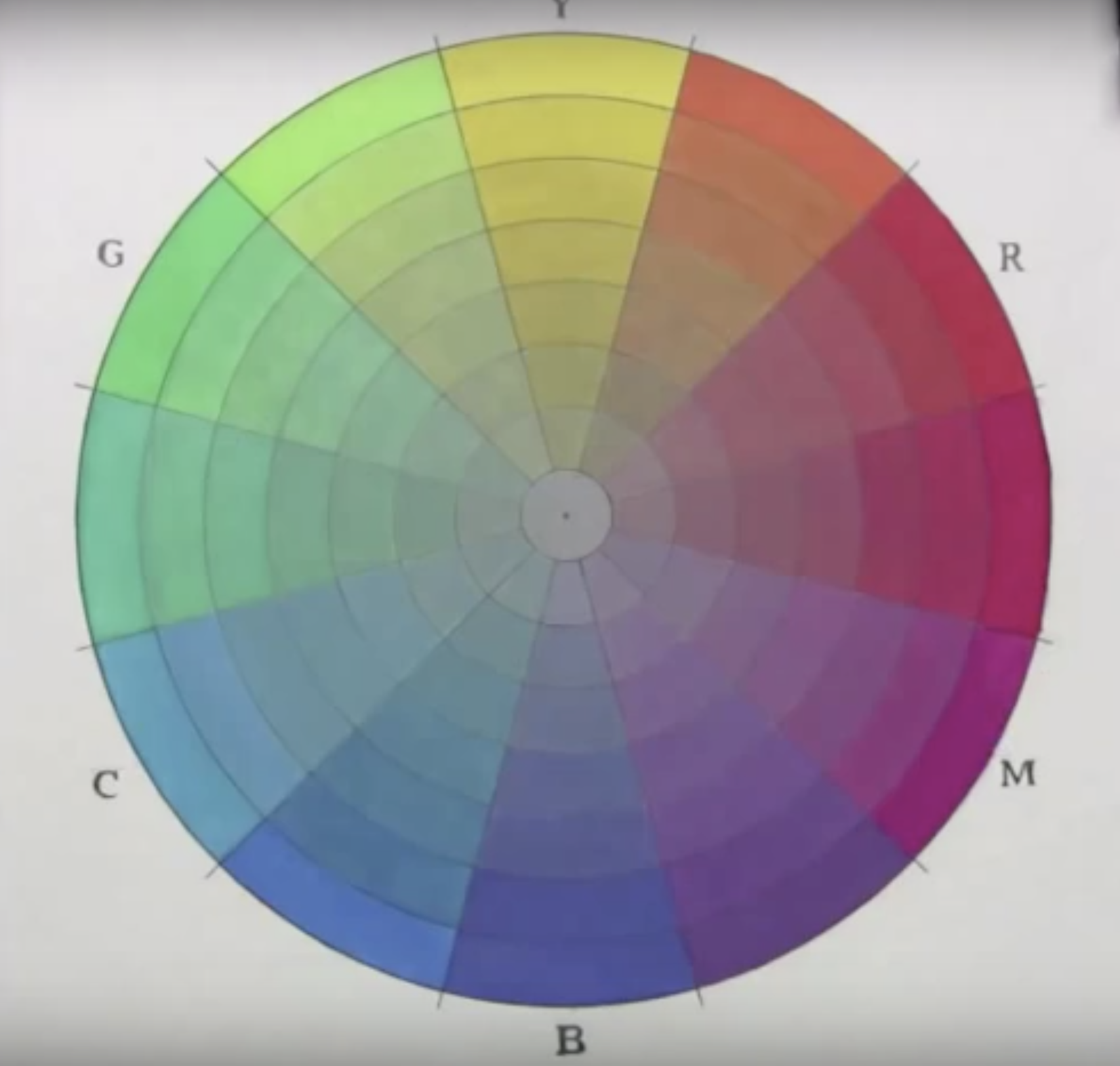
Gurney's method employs a sheet of paper to mask out much of the color wheel and the area that is un-masked contains the colors we use for a particular painting (or series of paintings). The un-masked portion is our new gamut or palette. Gurney works with a triangle mask and essentially selects a new set of primaries which replace the traditional primaries: yellow, red, and blue. After selecting the three new primaries, he draws a straight-line between them and cuts the mask to reveal the newly selected gamut.