Color and Modeling Form
Cennini Method
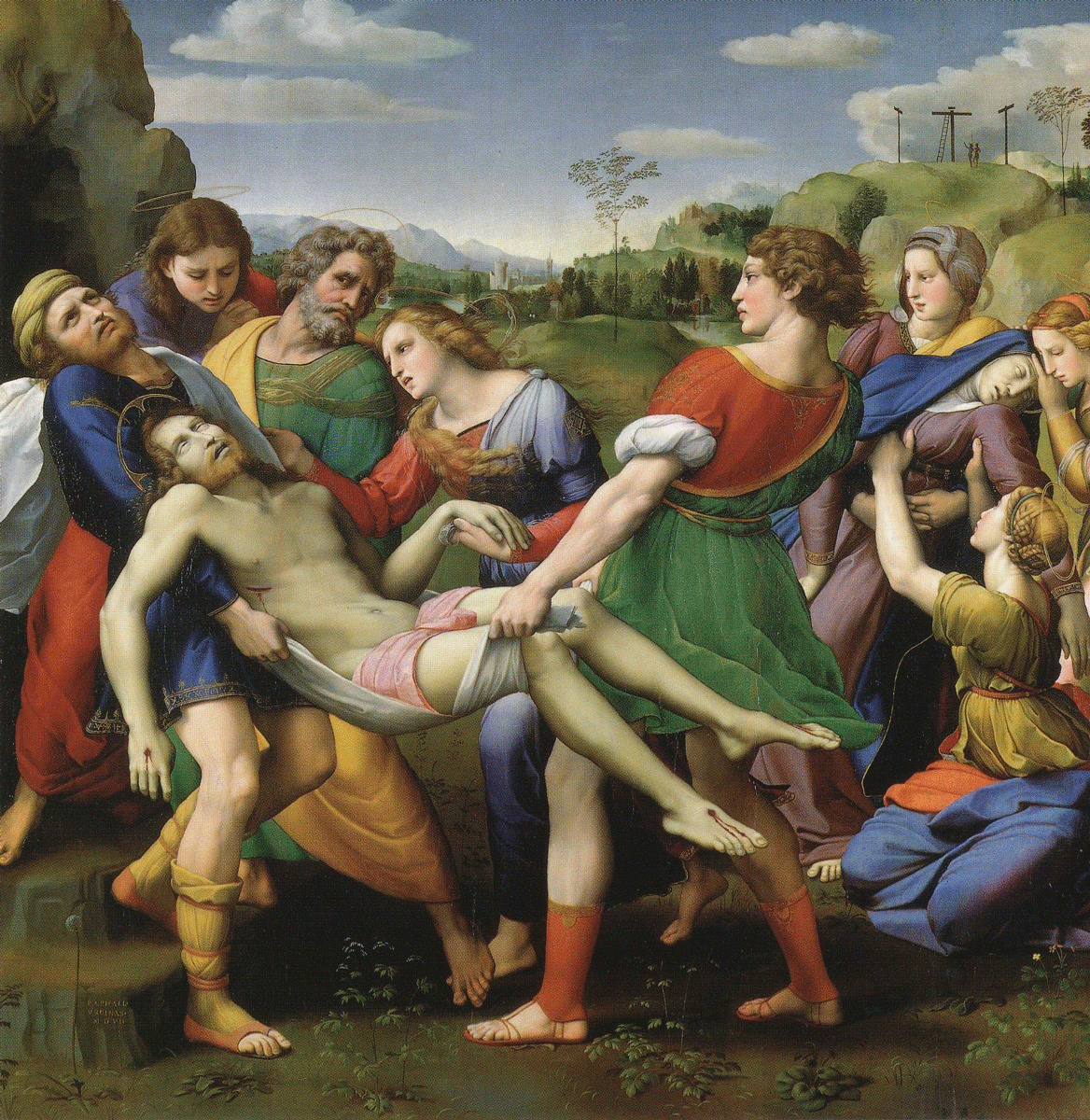
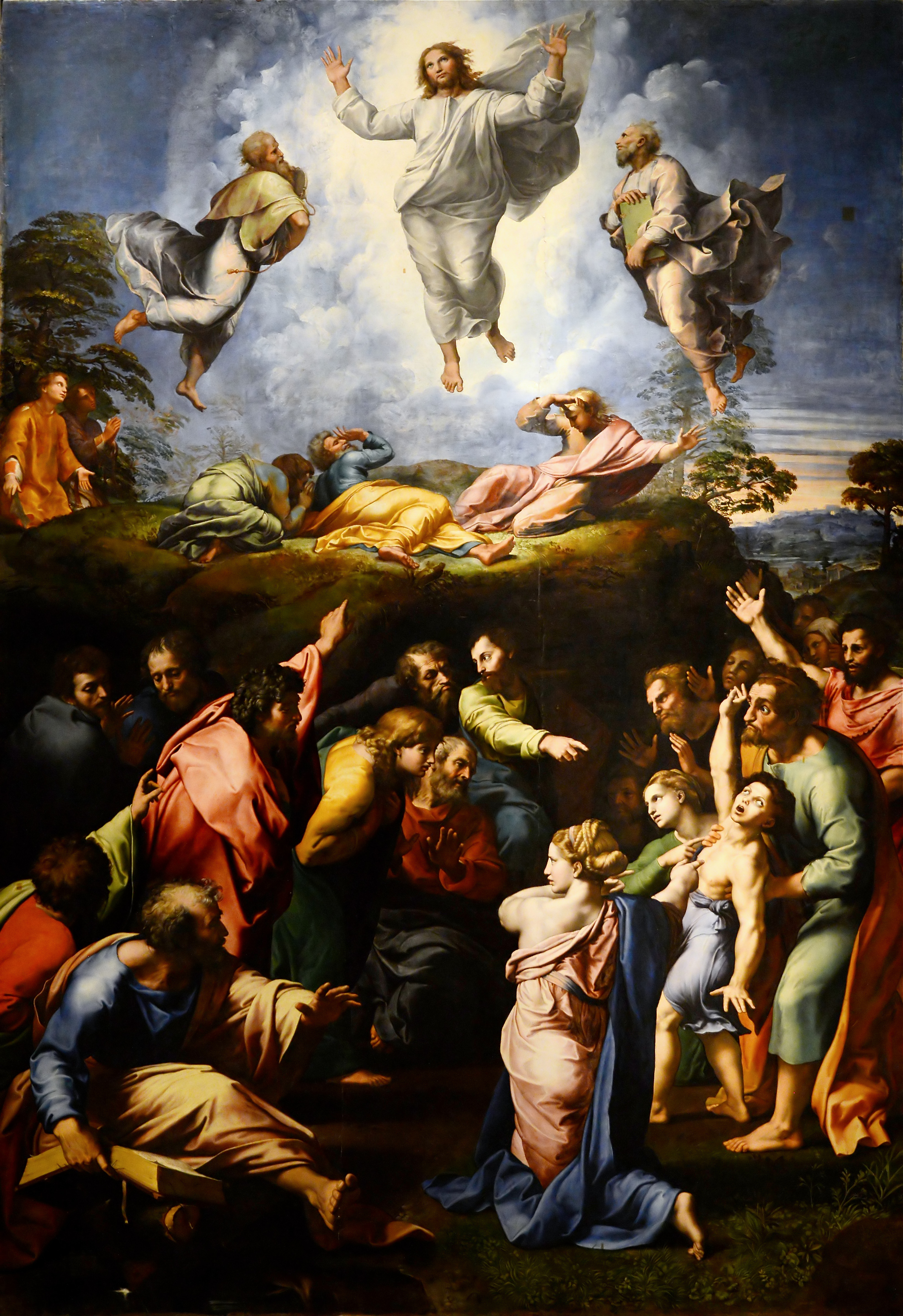
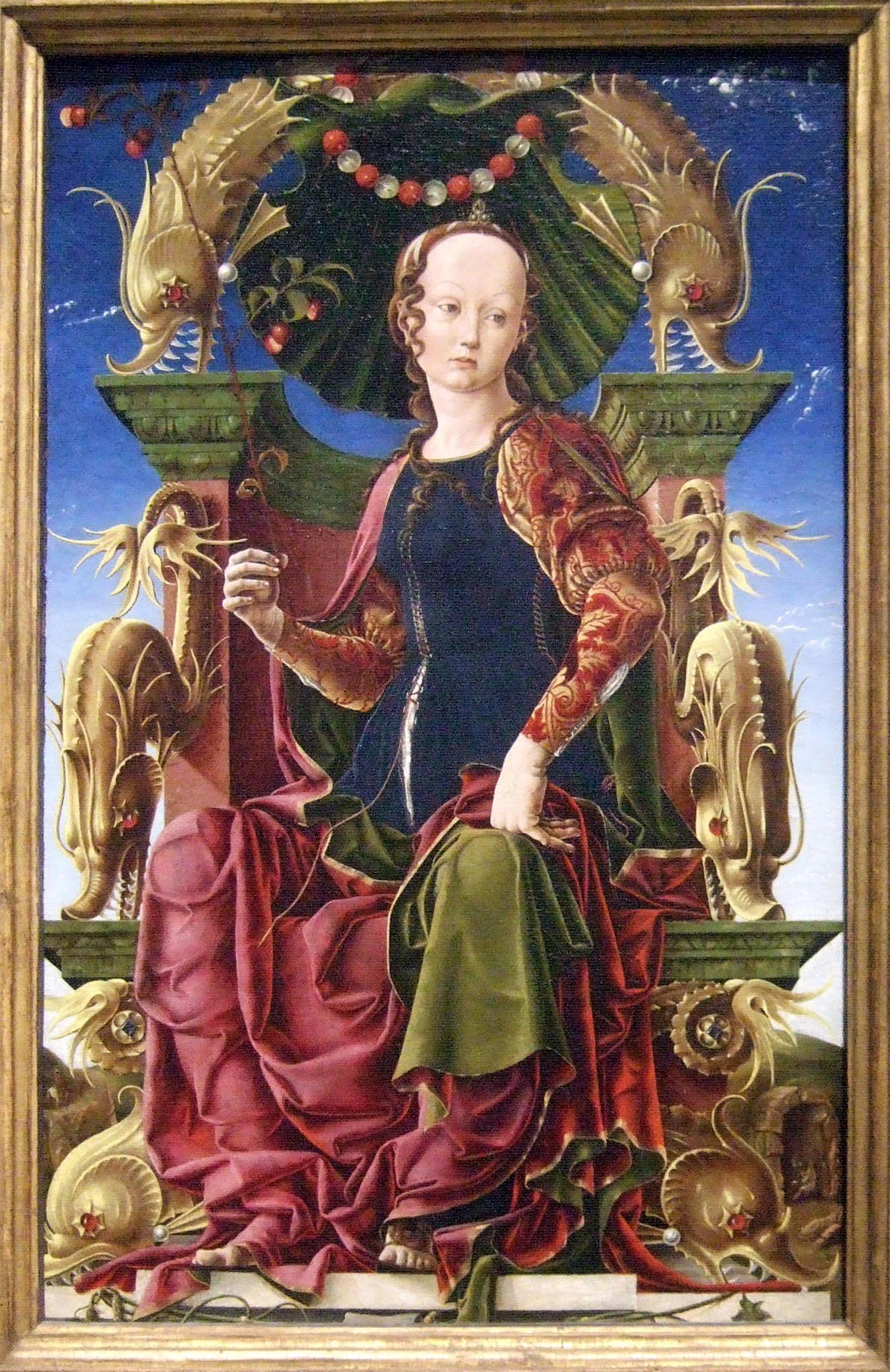
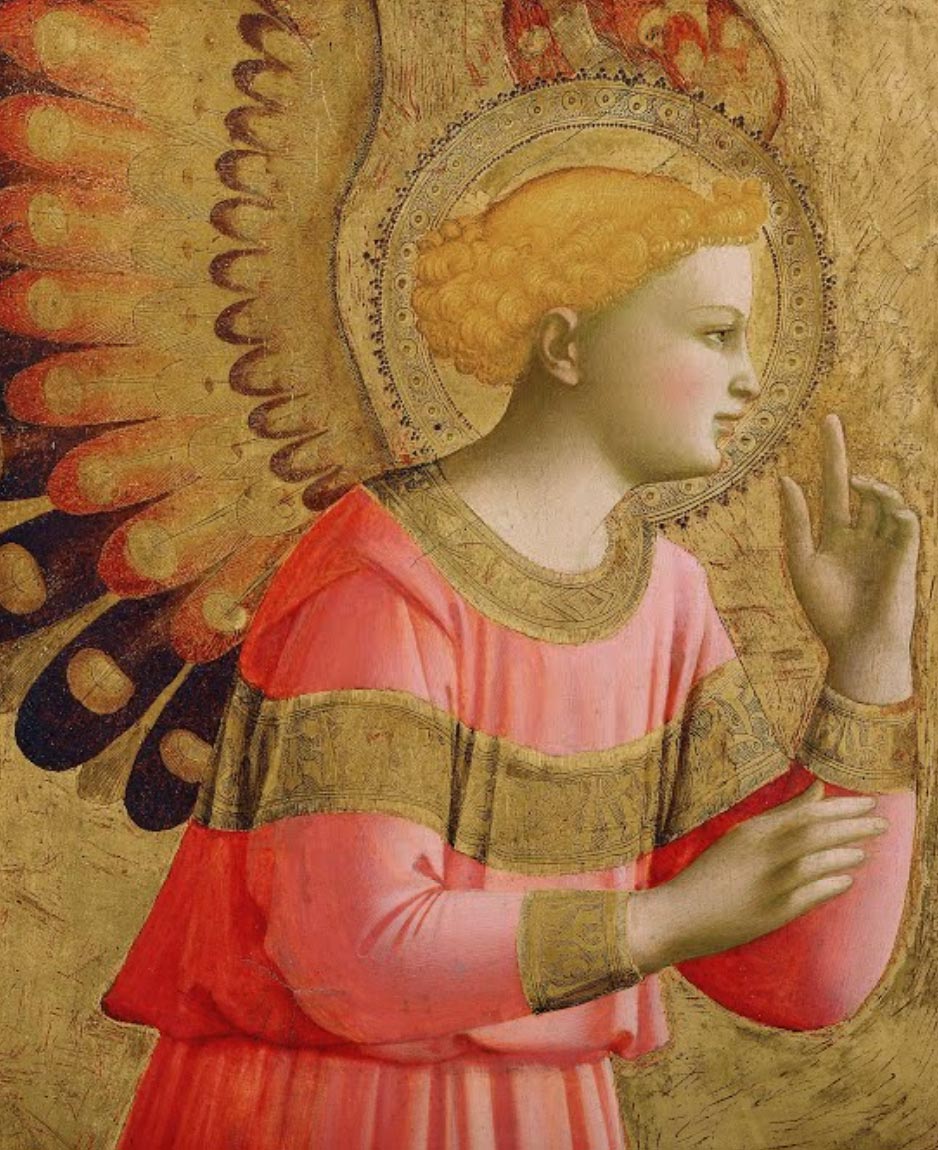
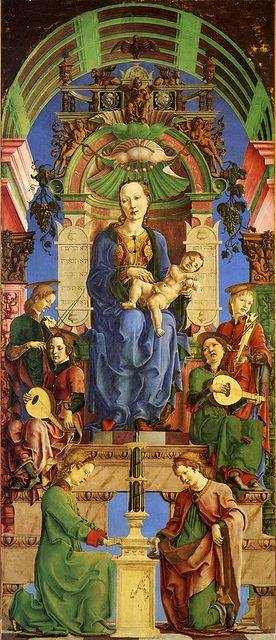
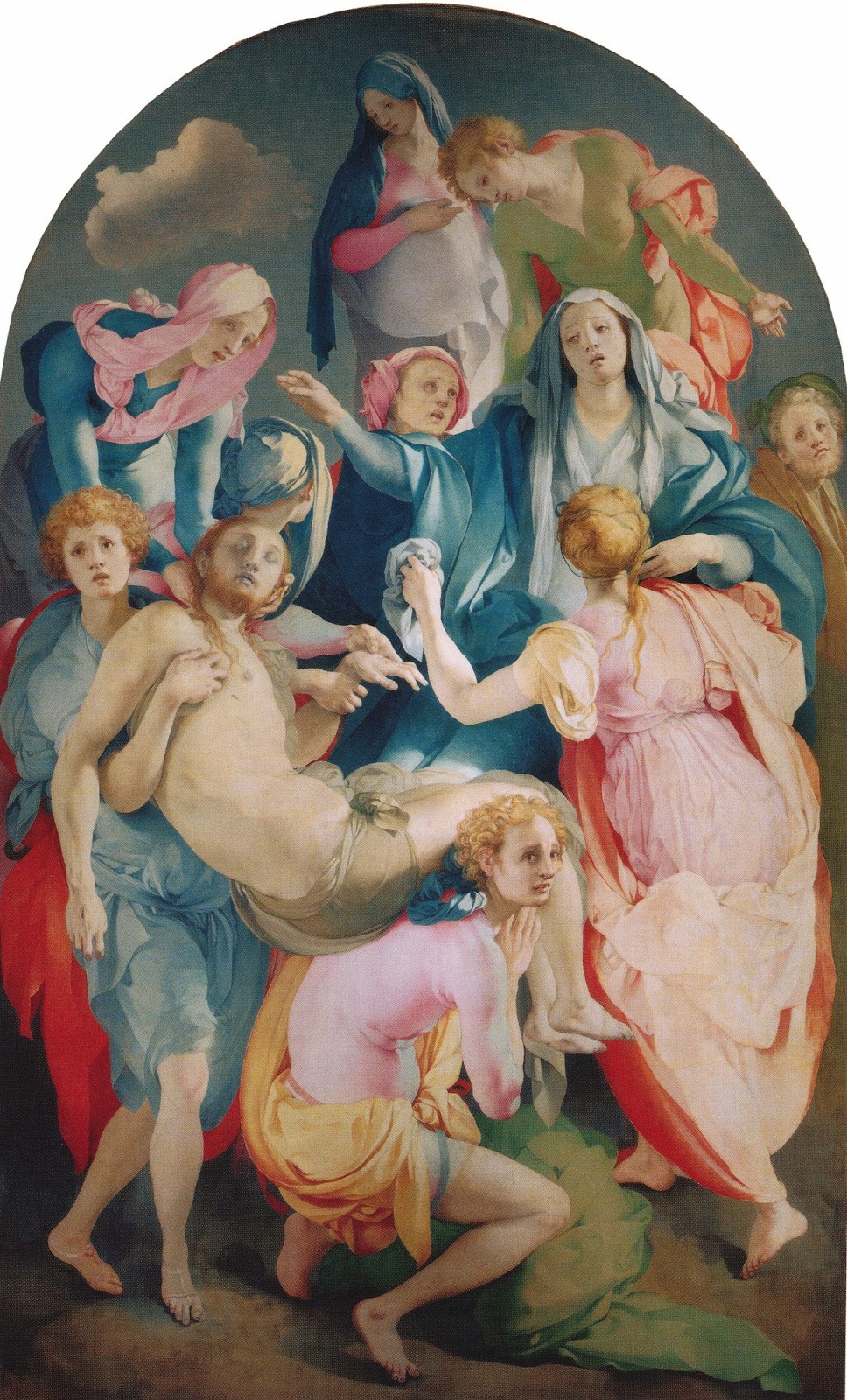
Cennino d’Andrea Cennini, himself a painter, created a comprehensive manual of panel and fresco painting, Libro dell ‘Arte (The Craftsman’s Handbook) in 1390. In it he describes a method of painting three-dimensional form. In his system one was to use a color at full strength for the shadows, then tint it lightly for the mid-tones and then tint it further for highlights. This method produced bright and colorful images. Immediately below are some examples showing his method.
Sfumato
Leonardo's method for modeling form is known as sfumato. It is an Italian word which meaning smokey. Looking at Leonardo's work, one will notice that his shading is subtle and smooth and can be described as smokey. His forms have higher chroma (colorfulness) when in the light and they are painted in colors closest to highest purity in the light but as they move into shadow they drop in chroma and move toward a smokey gray-brown. This is a significant change from the Cennini method where the colors were at their highest chroma in the shadows.
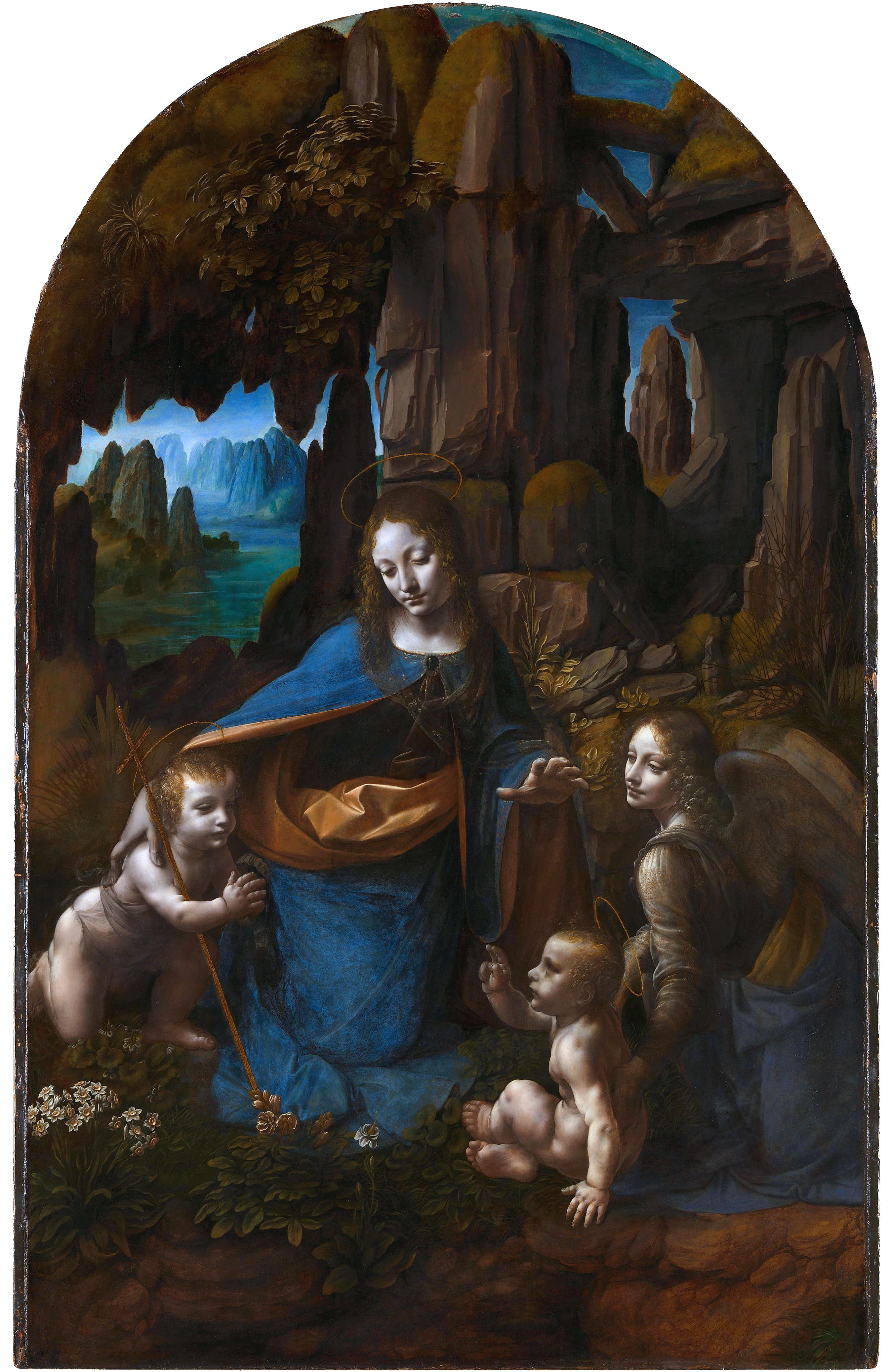
Leonardo based his color "system" on direct observation. This aligns with using the eye as a scientific instrument as he did in other areas of study as well. He saw that as a form moved into darkness the lack of light caused it to no longer reflect back the color of the object toward our eyes, hence it appeared dark grey or dark grey brown towards black in the absence of light.
Cangiantismo
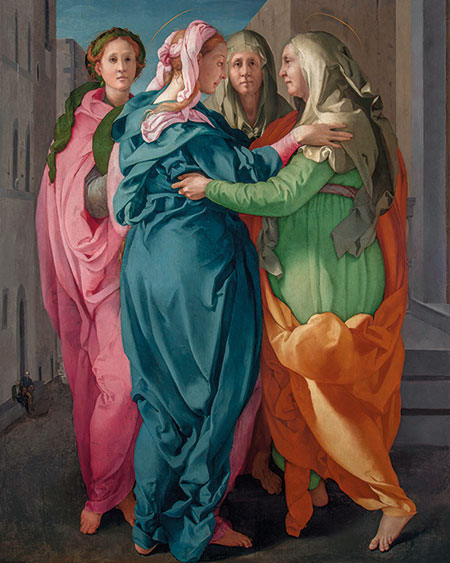
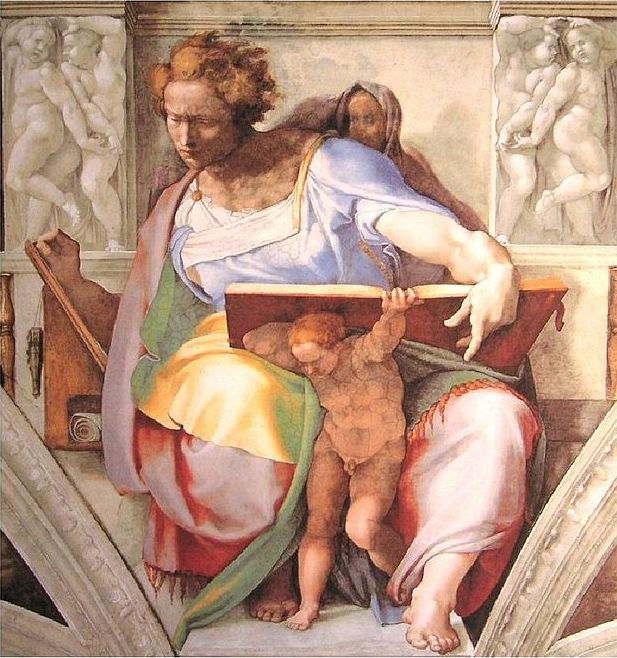
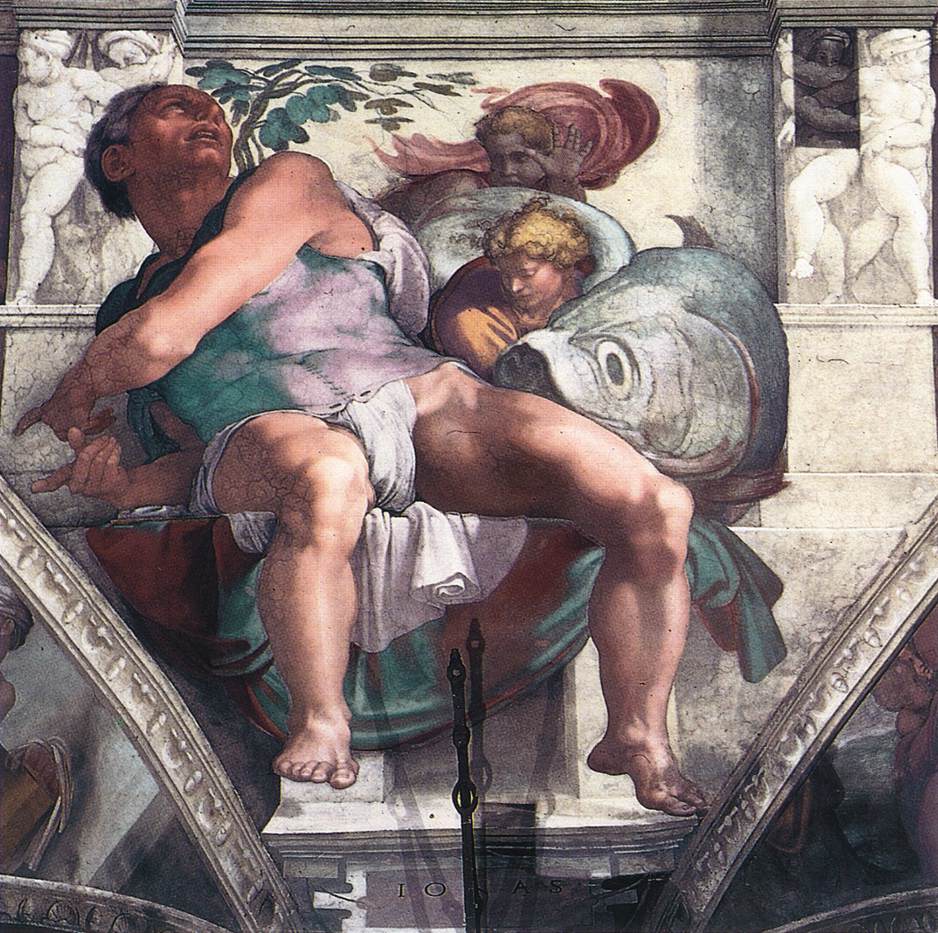
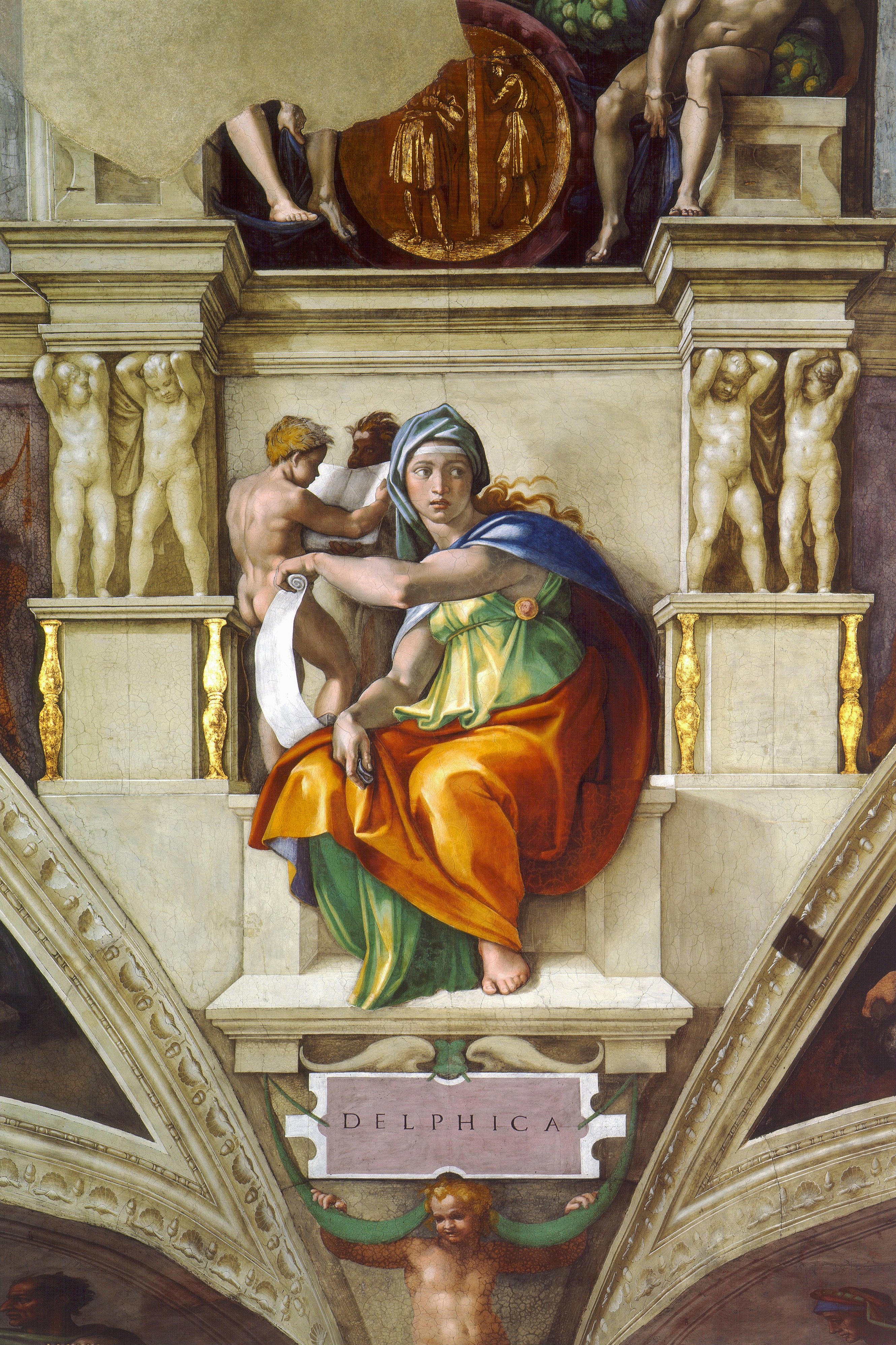
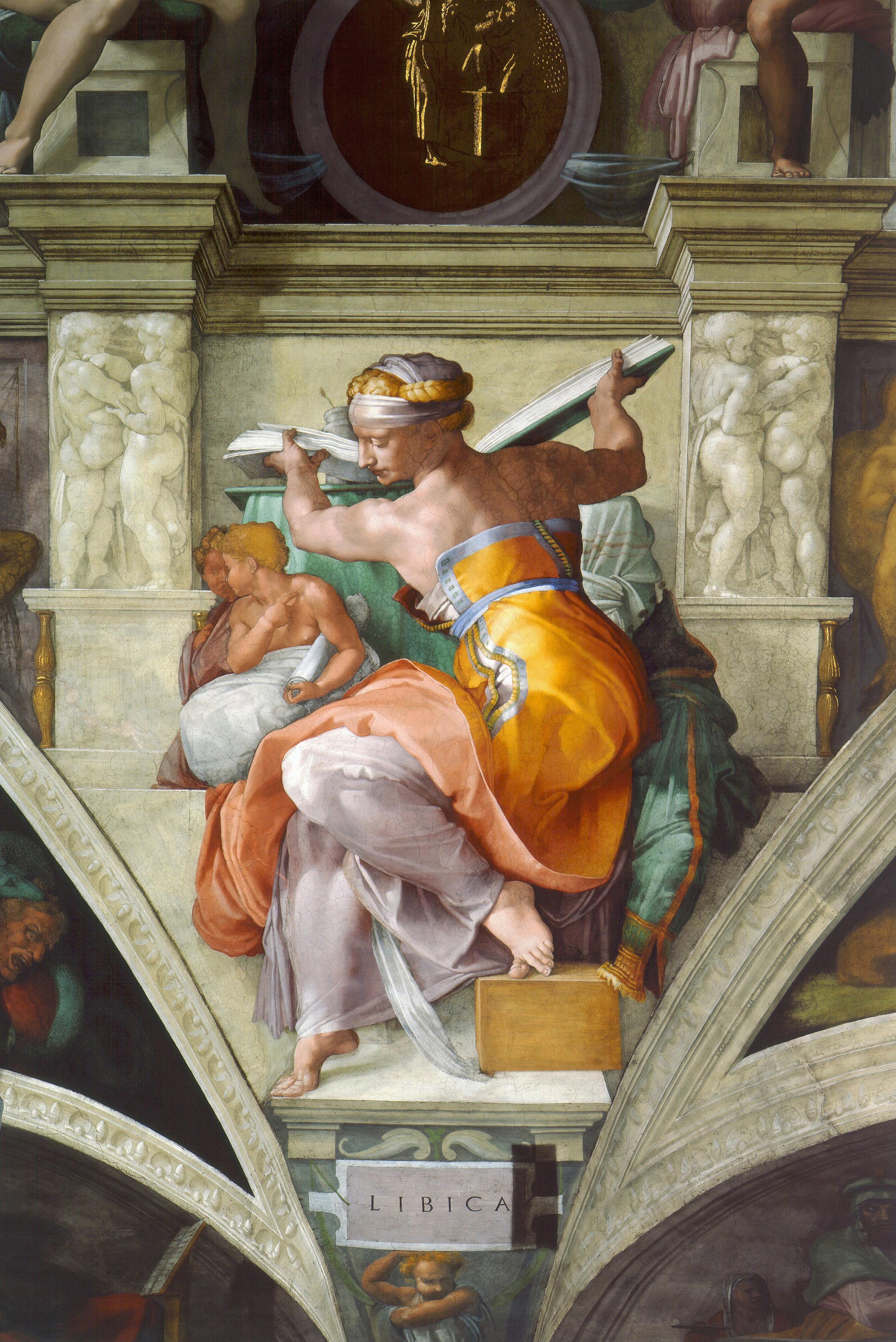
A variation on the Cennini method of color is cangiantismo. Perhaps the most well known proponent of this method was Michelangelo. In short it is the use of another hue to create shadows. Most often a darker hue would be used. For example if the primary color of the object was rendered in yellow, green might be used for the shadows on the form such as in Daniel by Michelangelo below.
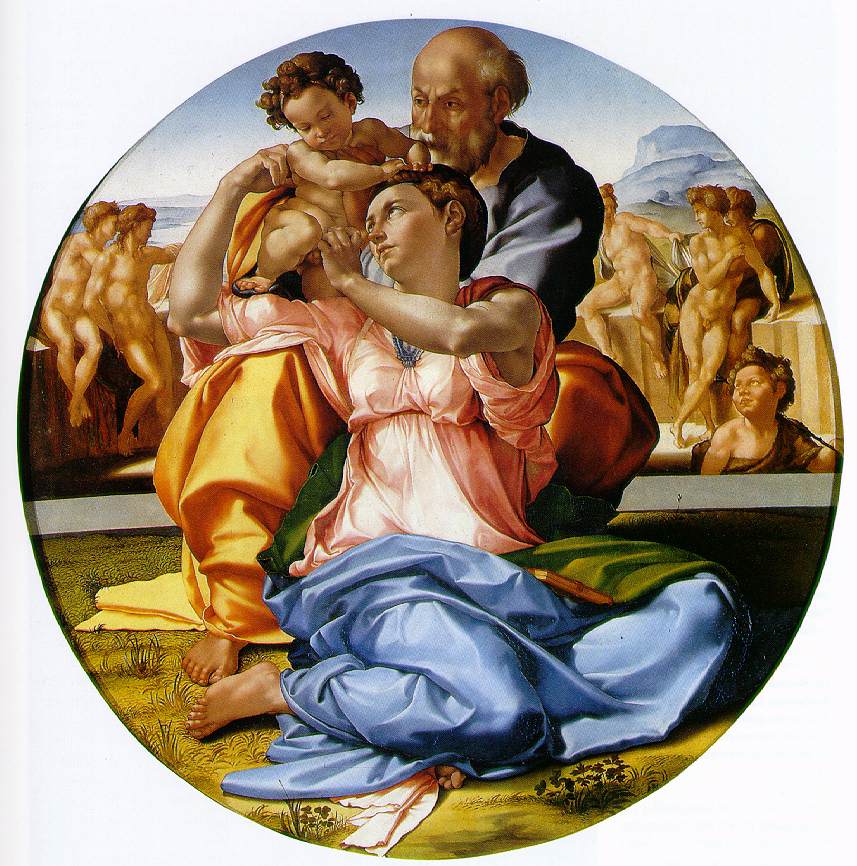
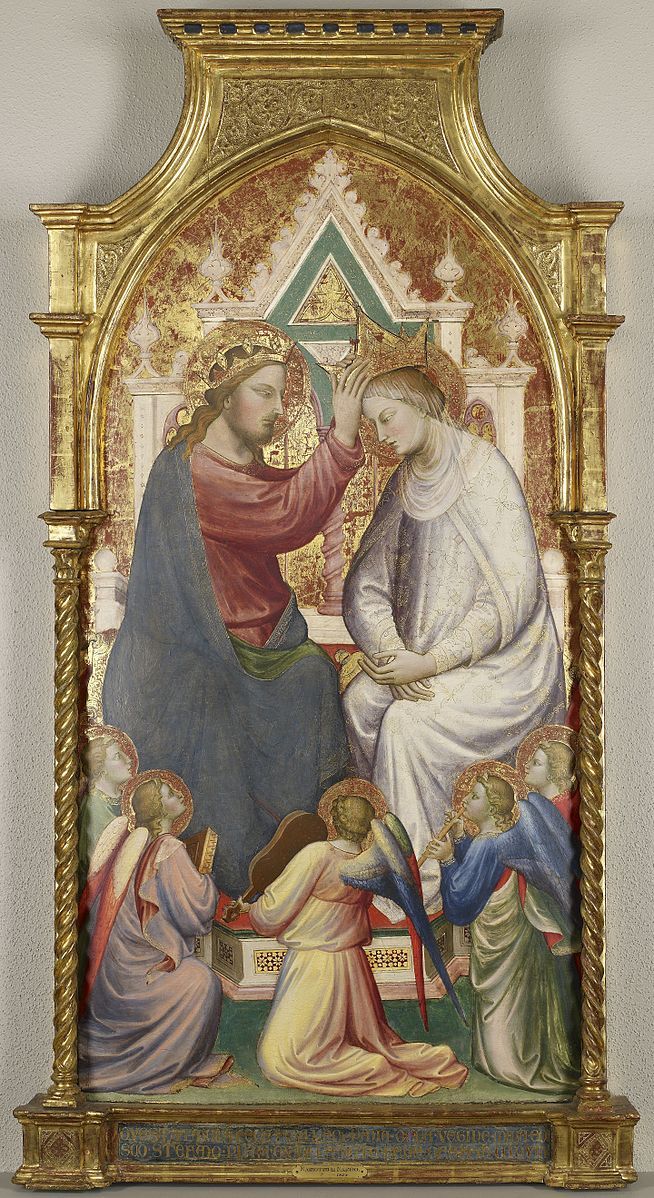
The term cangiante comes from Old Italian (like Old English) for the verb to change. Renaissance painters like Veronese would paint their figures wearing some of the fantastic silks that the Venetians made at the time. The color changing silk fabrics were referred to as cambiante. Here's a fabric with the same color effect. Perhaps you have seen these and you may even have a dress that uses this kind of material.

https://www.glennis.net/post/michelangelo-cangiantismo
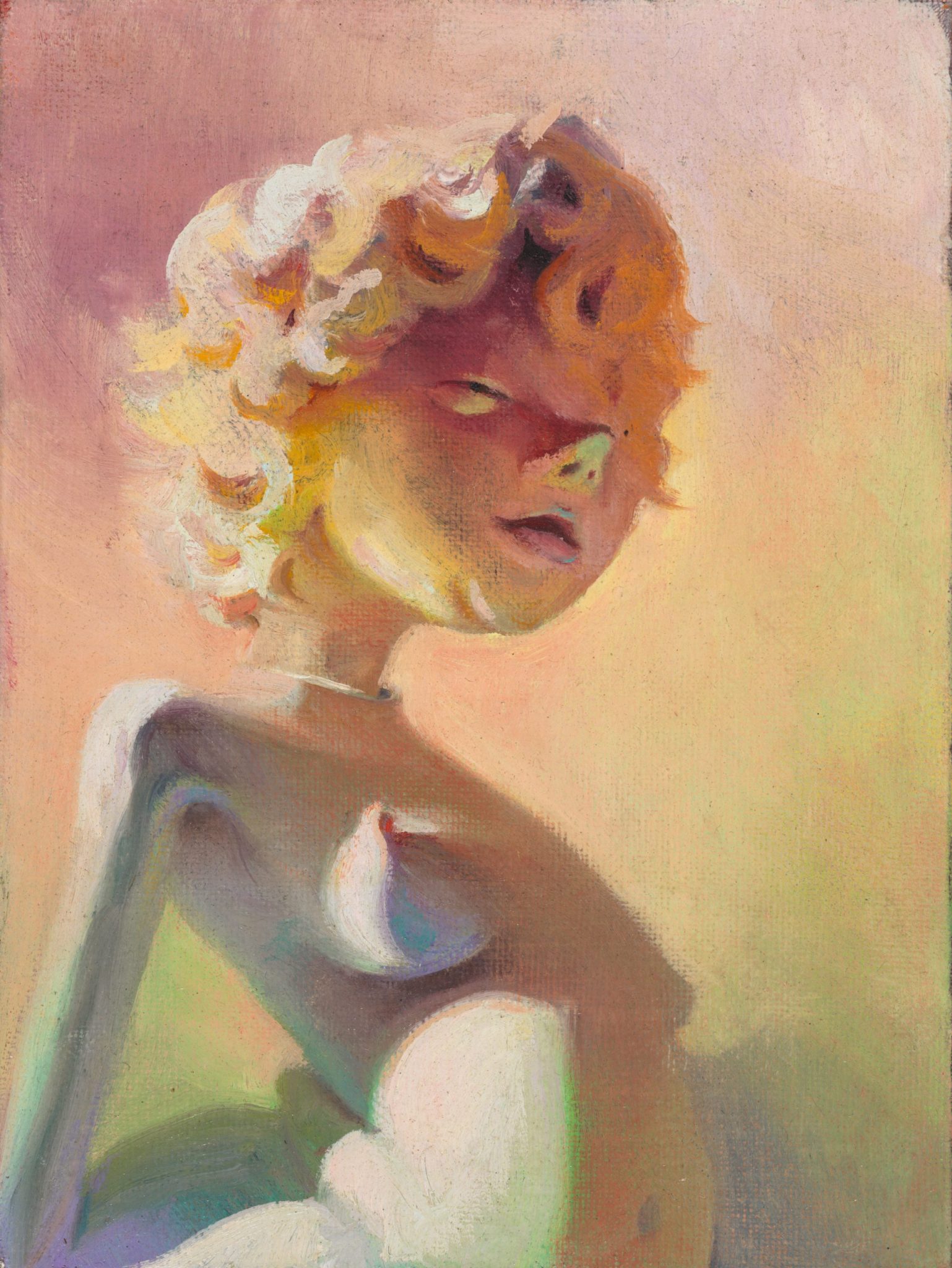
Lisa Yuskavage uses a modified version of cangiantismo in several of her works. One example is her painting titled Motherfucking Rock from 1996. I describe it as modified since the color flows from one to another and is not so much about modeling the form as it is about a joy of color or visual pleasure.
Unione
Raphael (Raffaello) sought to combine the methods of Leonardo (sfumato) and Michelangelo (cangiantismo). The art historian Marcia B. Hall calls Raphael's method unione as he sought to synthesize or create a union of the two methods of his fellow ninja turtles painters.